✨ New Arrivals Just Dropped!Explore
Ancient Scythia | Silver Drachm
HomeStore

Ancient Scythia | Silver Drachm

Ancient Scythia | Silver Drachm

History of the Artifact

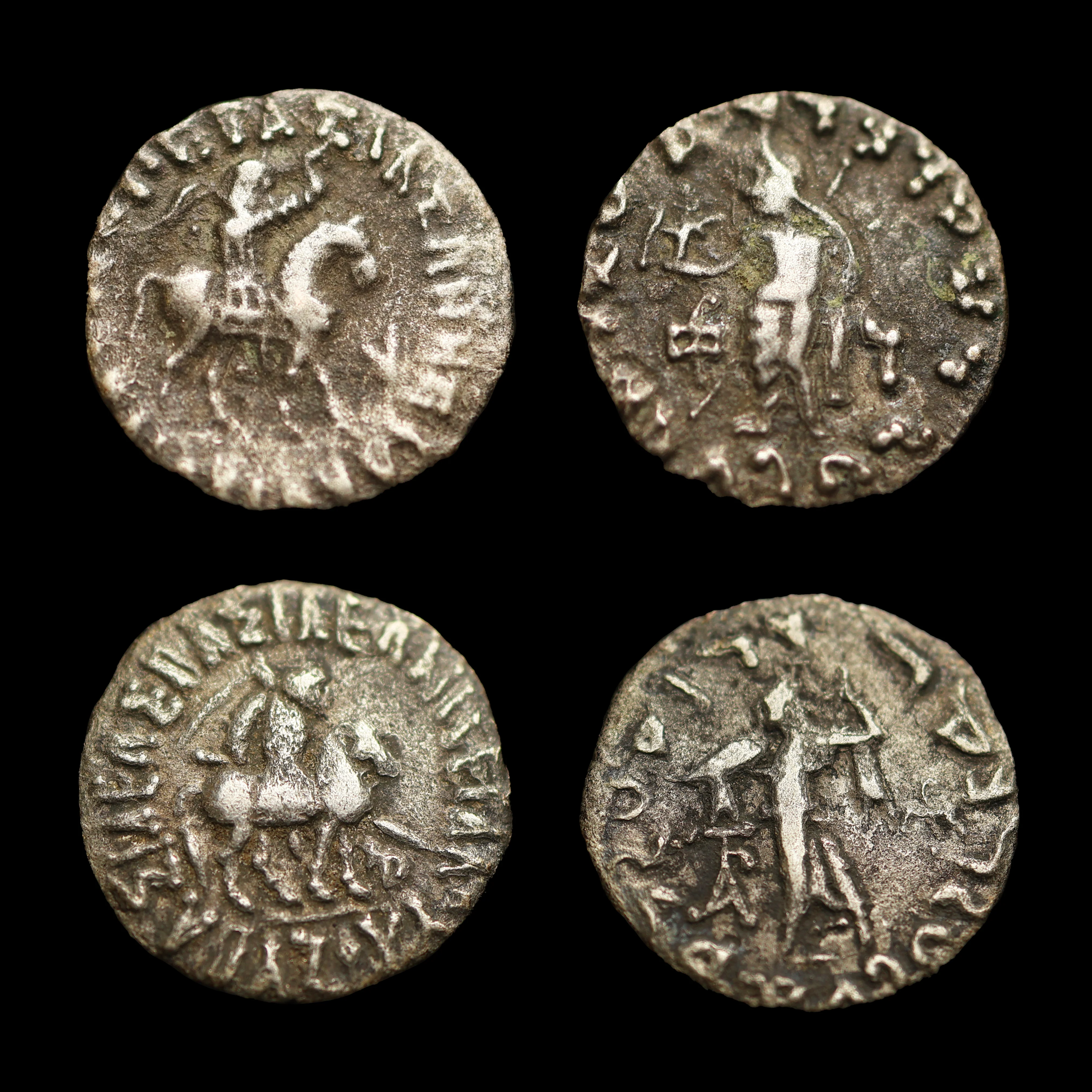
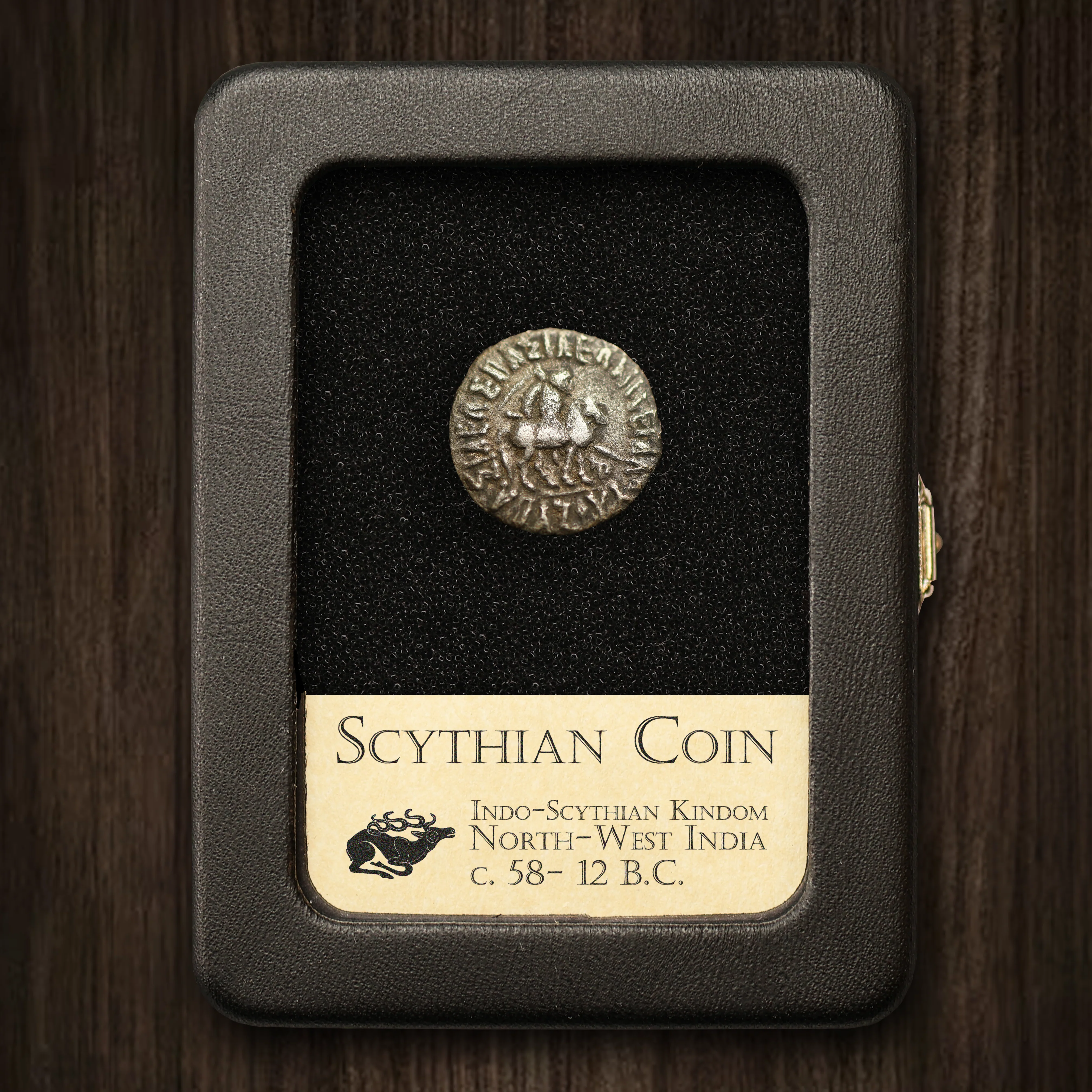
The Indo-Scythians were nomadic Iranian peoples who migrated into modern-day Pakistan and northwestern India in the late second century BC, displacing the waning Indo-Greek kingdoms that had ruled the region since Alexander’s conquests. They retained much of the Hellenistic aesthetic, especially in their coinage, which continued to use Greek legends, portraiture, and weight standards such as the drachm. The coins attributed to the king—or kings—named Azes mark the high point of this cultural fusion: their obverses typically depict a mounted ruler in military dress, echoing the Scythians’ equestrian heritage, while the reverses often show Greek deities like Zeus or Athena, inscribed in both Greek and Kharosthi scripts. These bilingual, bicultural issues reveal a sophisticated society that straddled Central Asian and South Asian traditions, using coinage as a medium to unify Greek, Indian, and nomadic elements under one political identity.

Scholars have long debated whether there were two rulers named Azes—Azes I and Azes II—or merely one king whose reign extended over several decades. The “two-Azes” model arose from subtle stylistic variations in the coins and from overstrikes, but recent numismatic studies suggest the possibility of a single, long-reigning monarch whose issues evolved over time. Regardless of how the chronology is divided, the Azes coinage reflects the Indo-Scythians’ gradual transformation from steppe warriors into rulers of a settled, urbanized realm that absorbed the prestige of Greek models while expressing their own imperial authority. These silver drachms, equal in weight to their Hellenistic counterparts, circulated widely across Gandhara and the Indus Valley, serving both as instruments of trade and as enduring symbols of a nomadic people who remade the classical world in their own image.

How do I know these are original Scythian coins?

Ancient Artifacts guarantees the Authenticity of items sold through a three layer system of protection

  1. Ancient Artifacts exclusively sources artifacts from trusted and reputable antique distributors, many of whom have been selling Artifacts for decades.  
  2. Next, the Artifact is inspected by an expert team member, who is professionally trained in counterfeit detection After the artifact passes inspection, the Certificate of Authenticity is signed and the Artifact is packaged. 
  3. Finally, Ancient Artifacts gives an additional layer of protection by promising a full refund with no questions asked, in the extremely unlikely event that a counterfeit slips through our vetting process.

What will my coin look like?

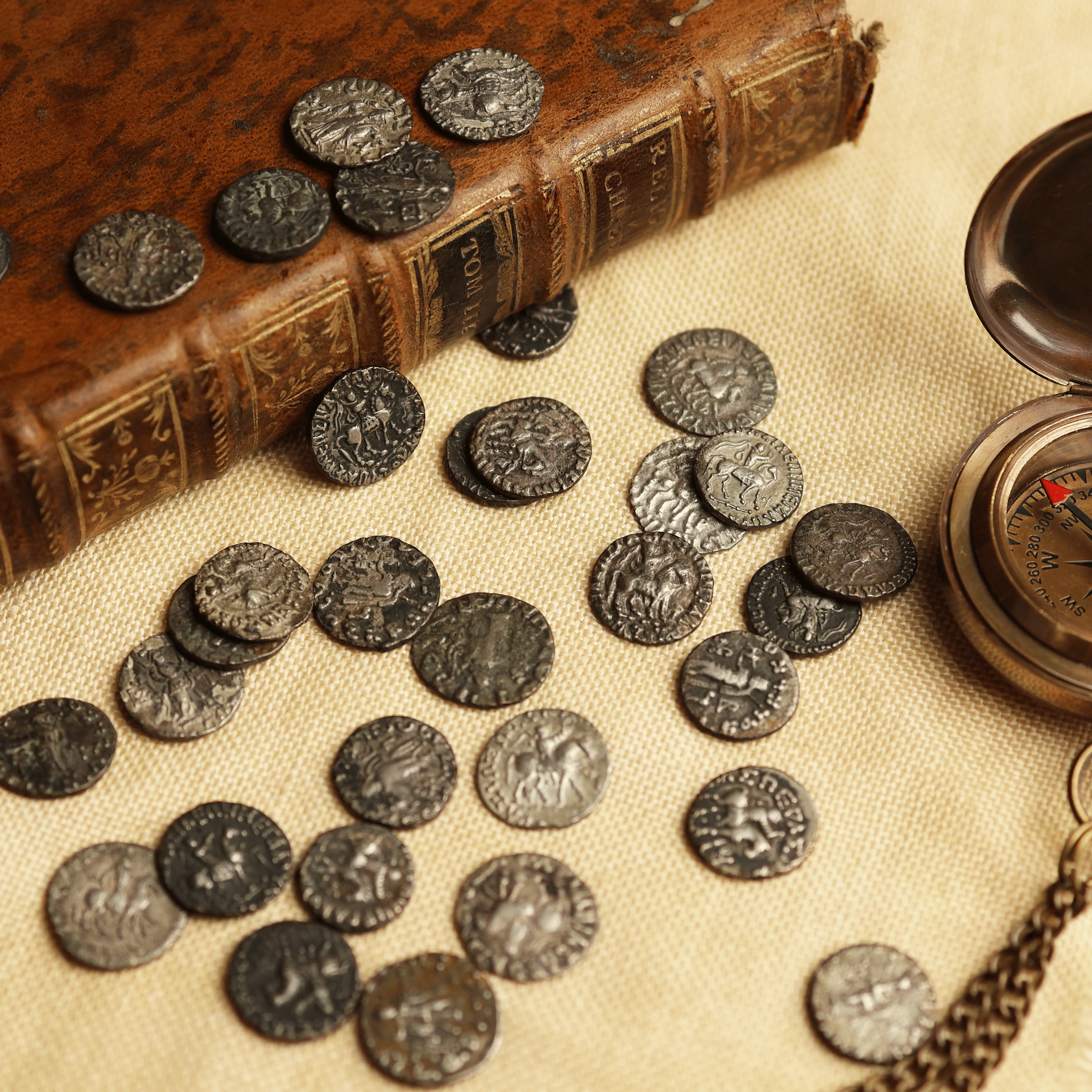
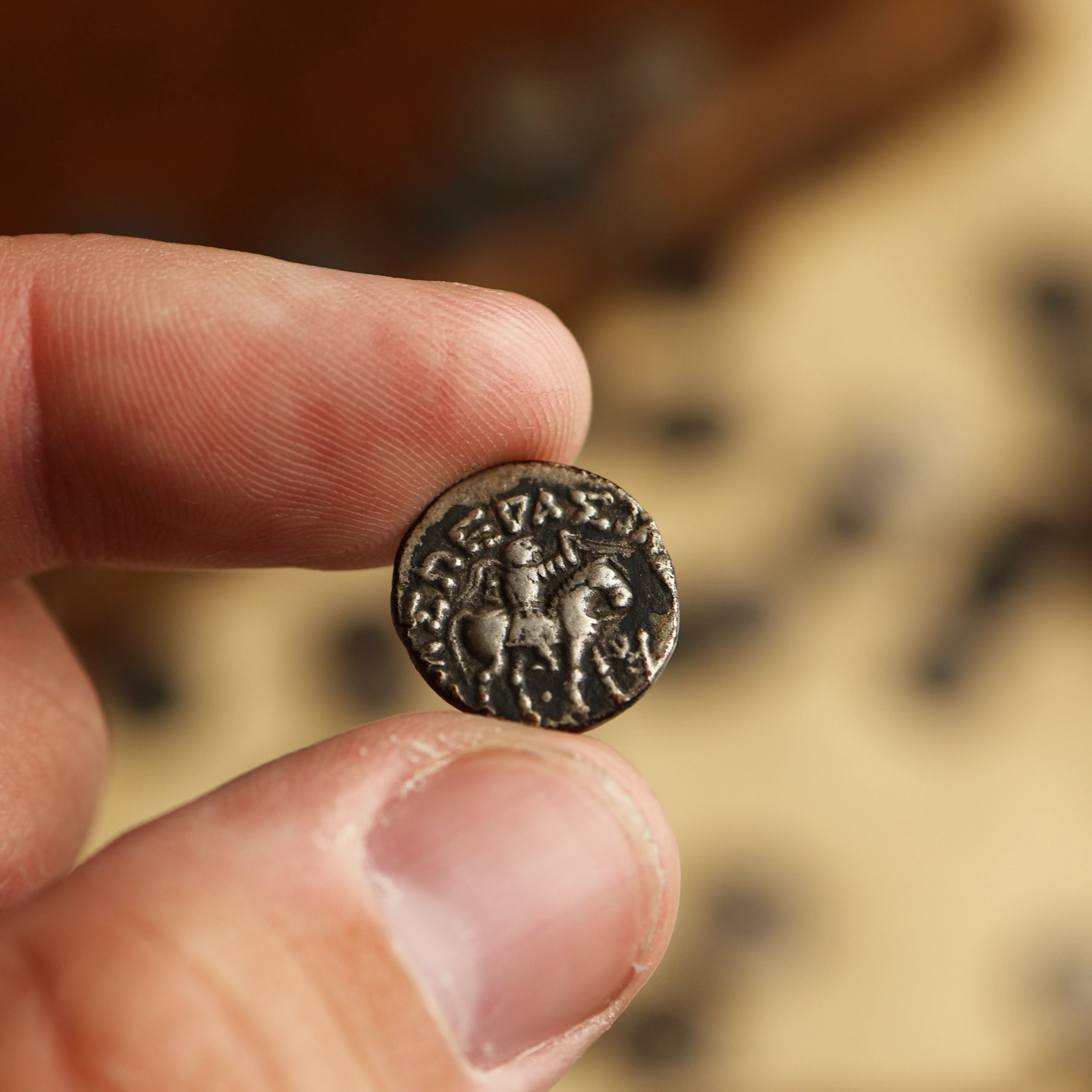
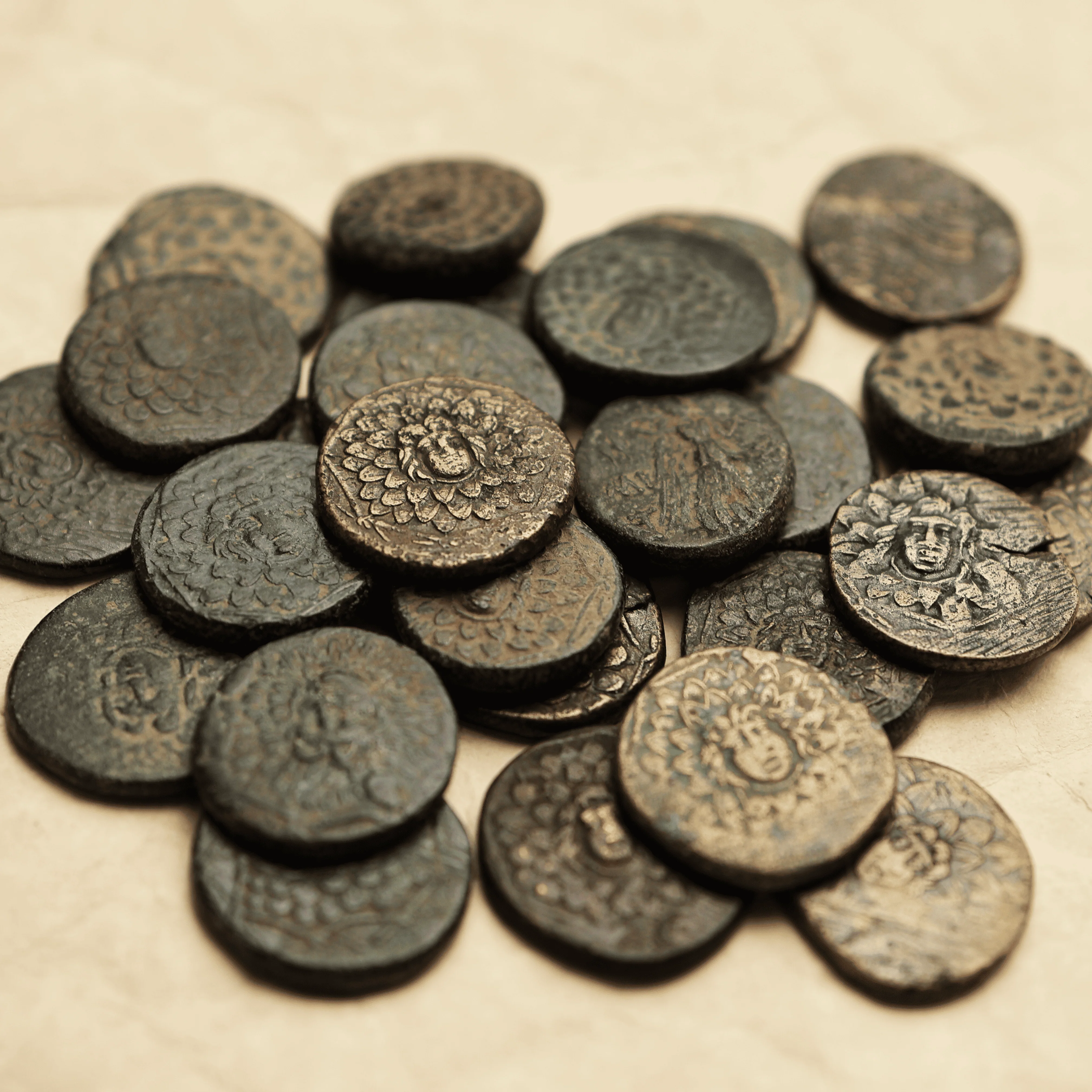
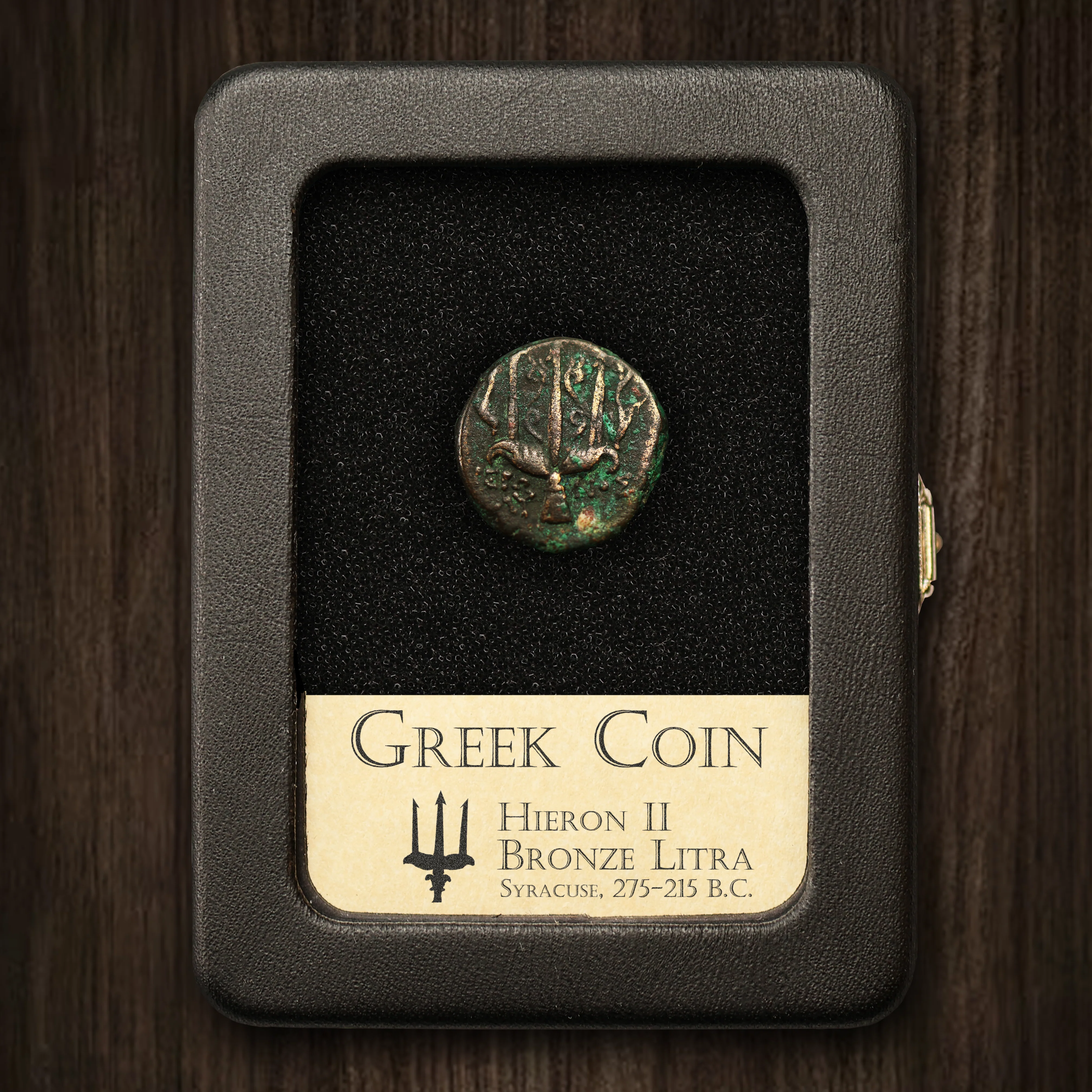
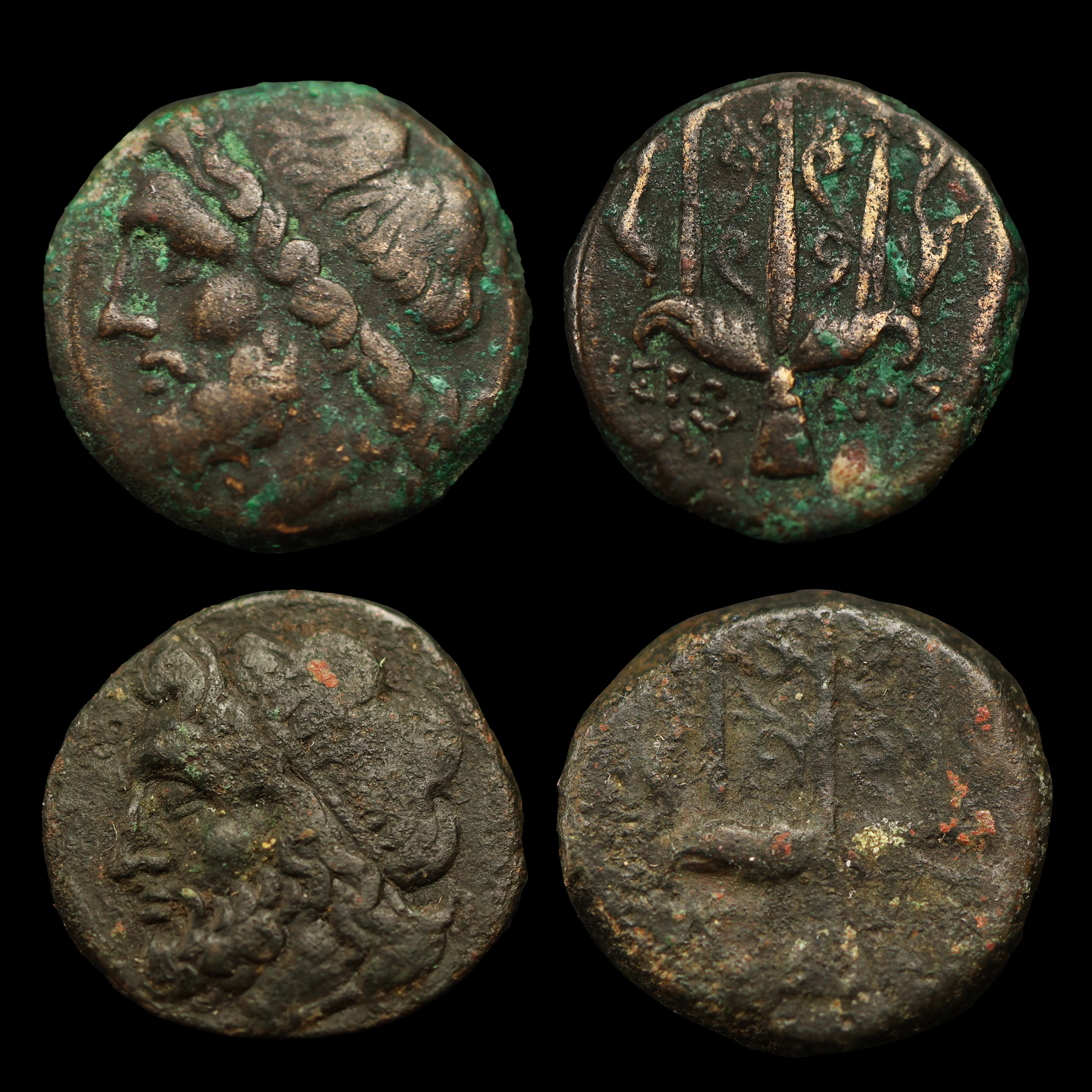
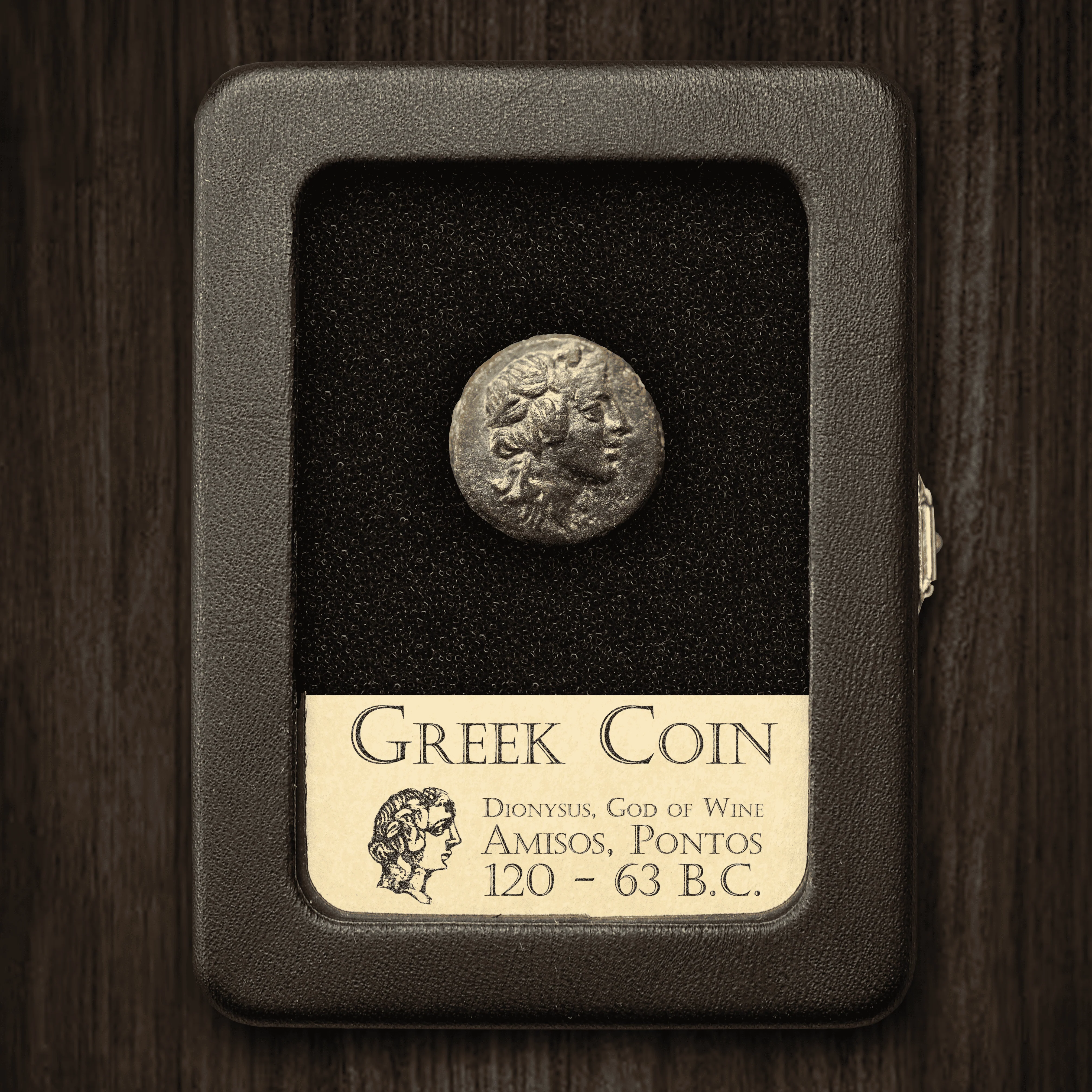
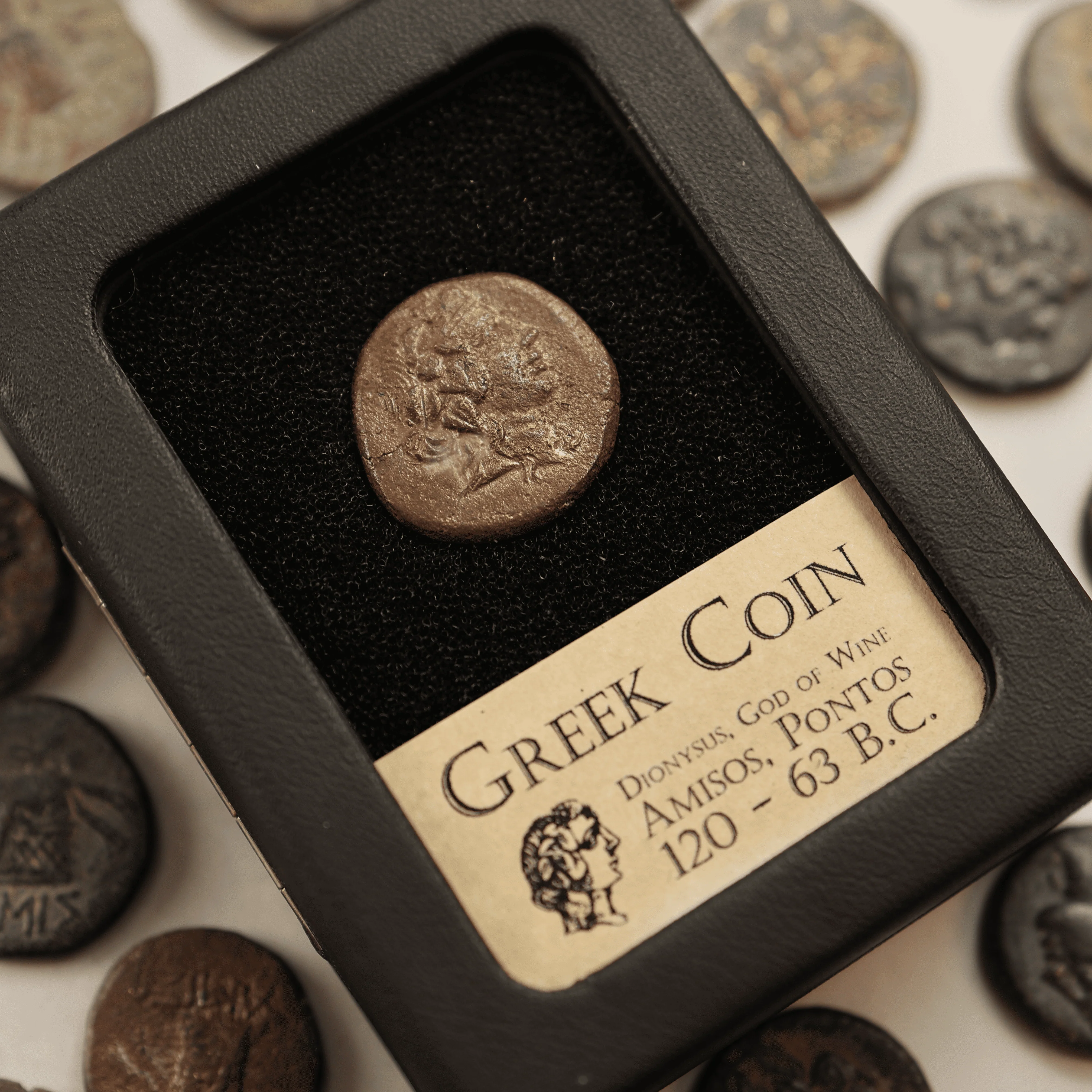
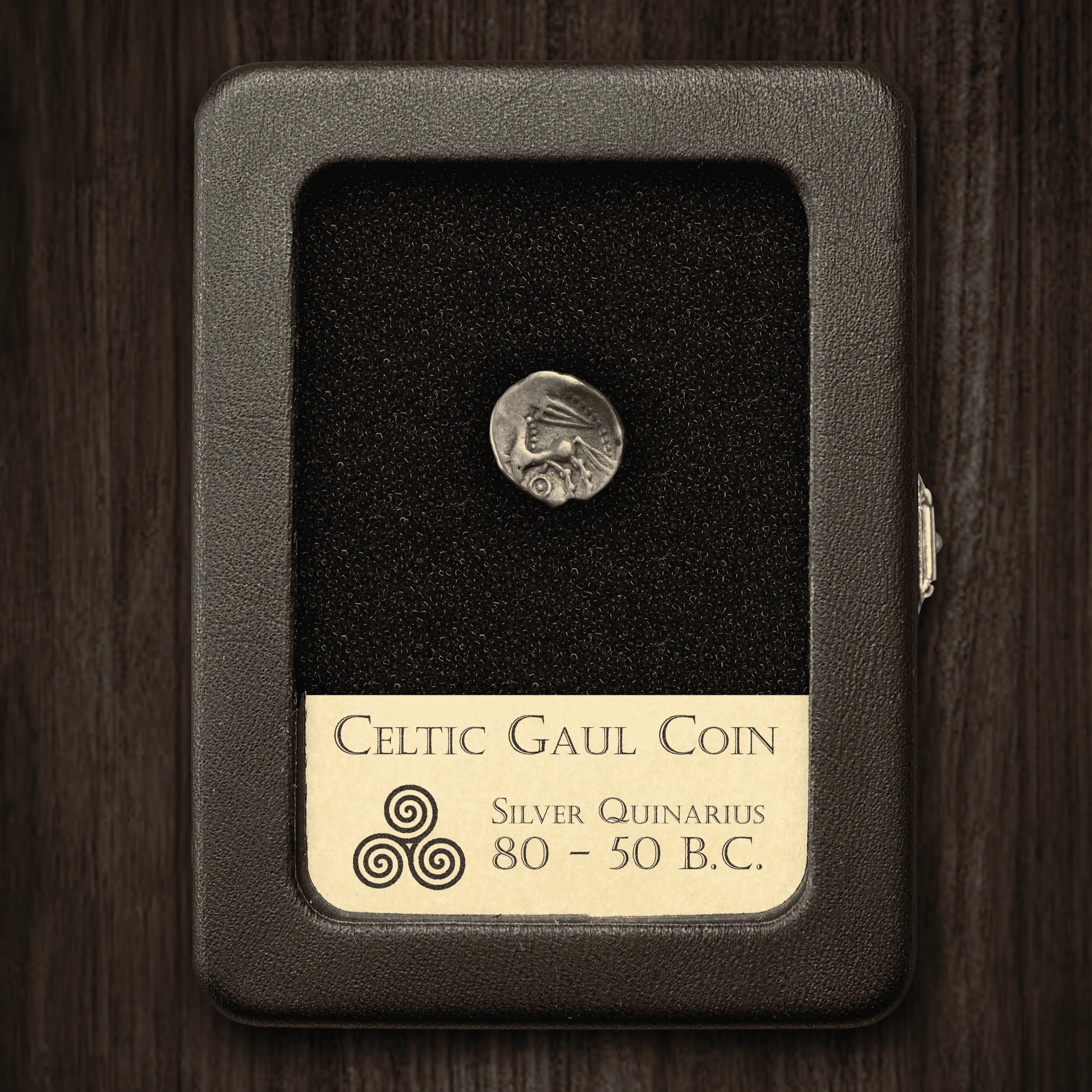
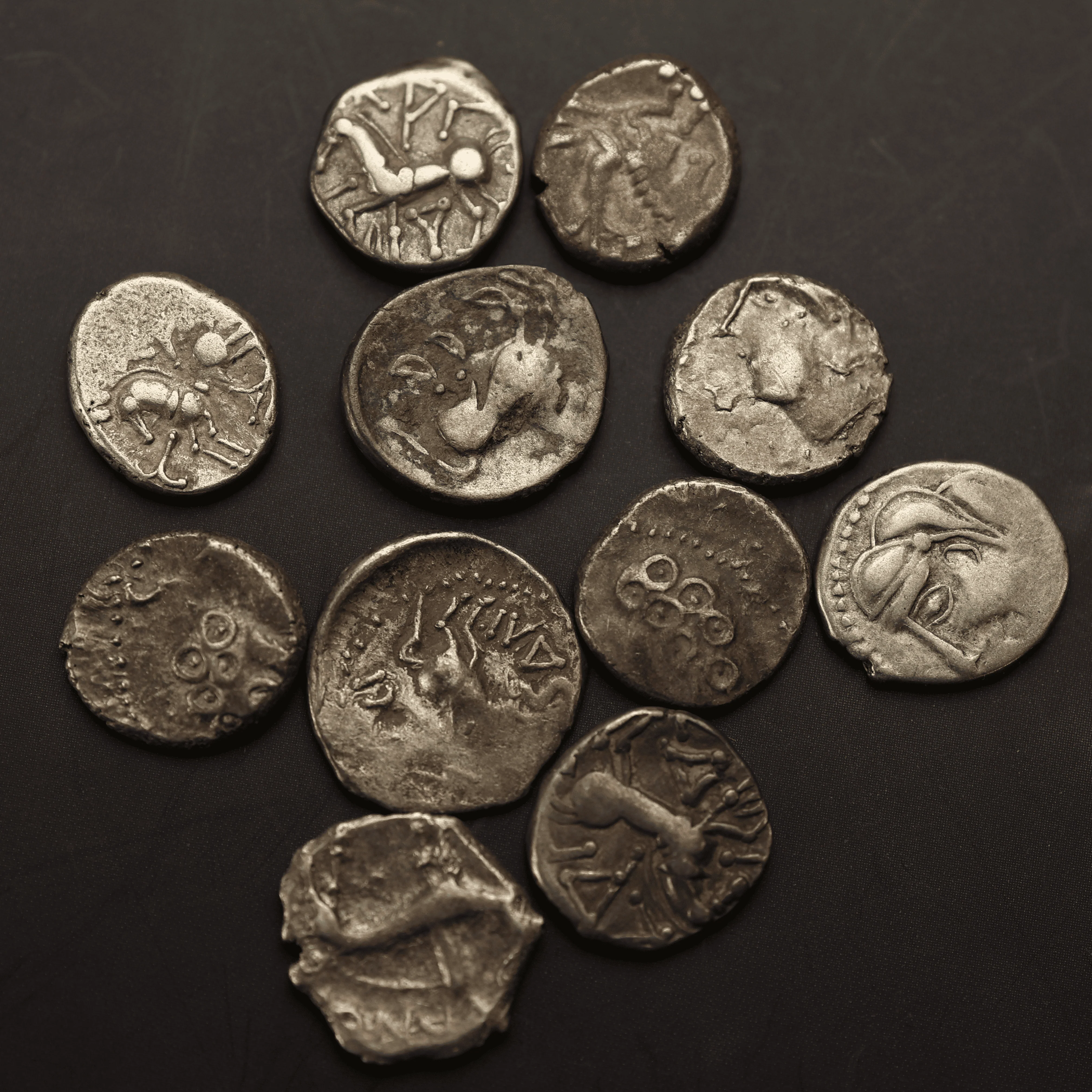
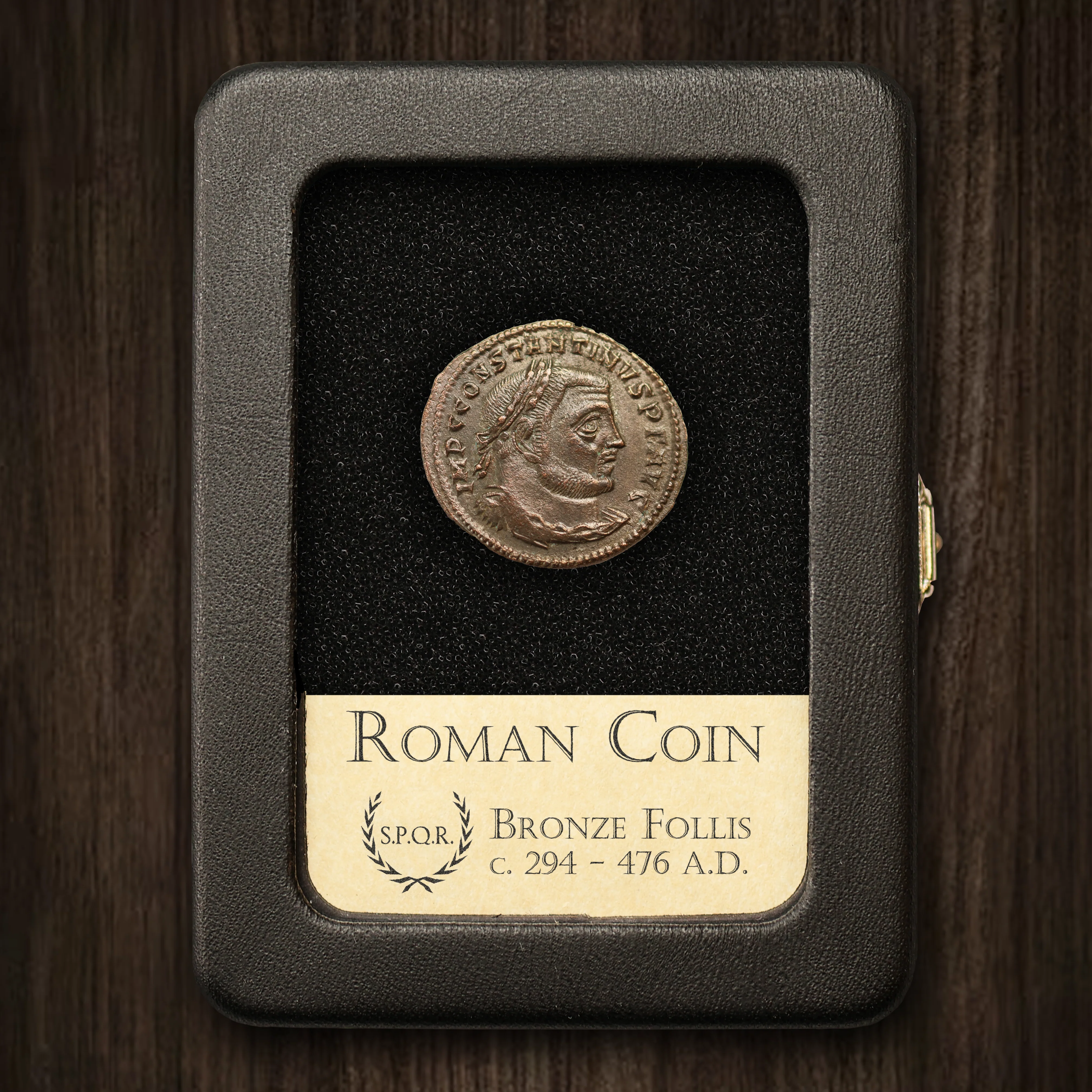
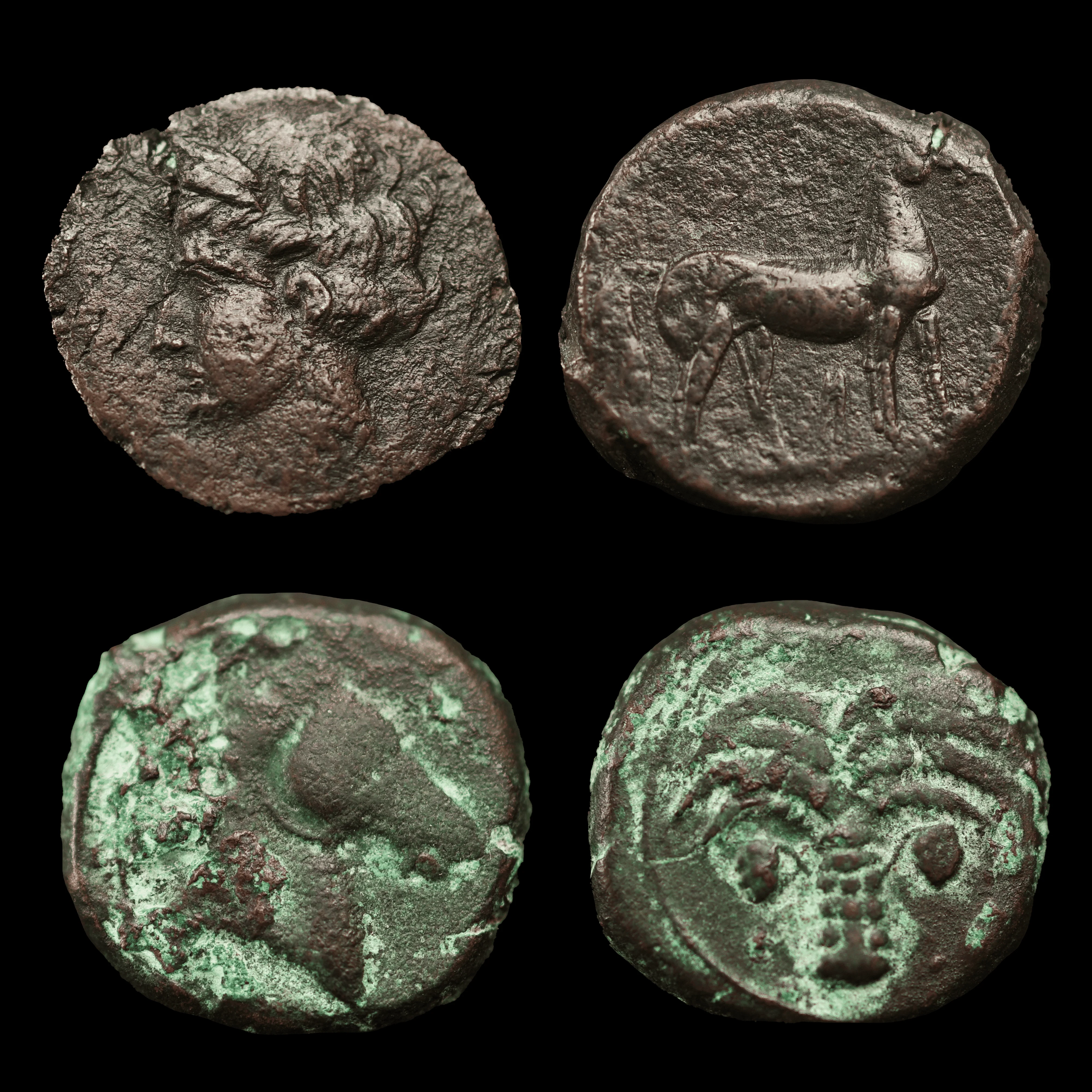
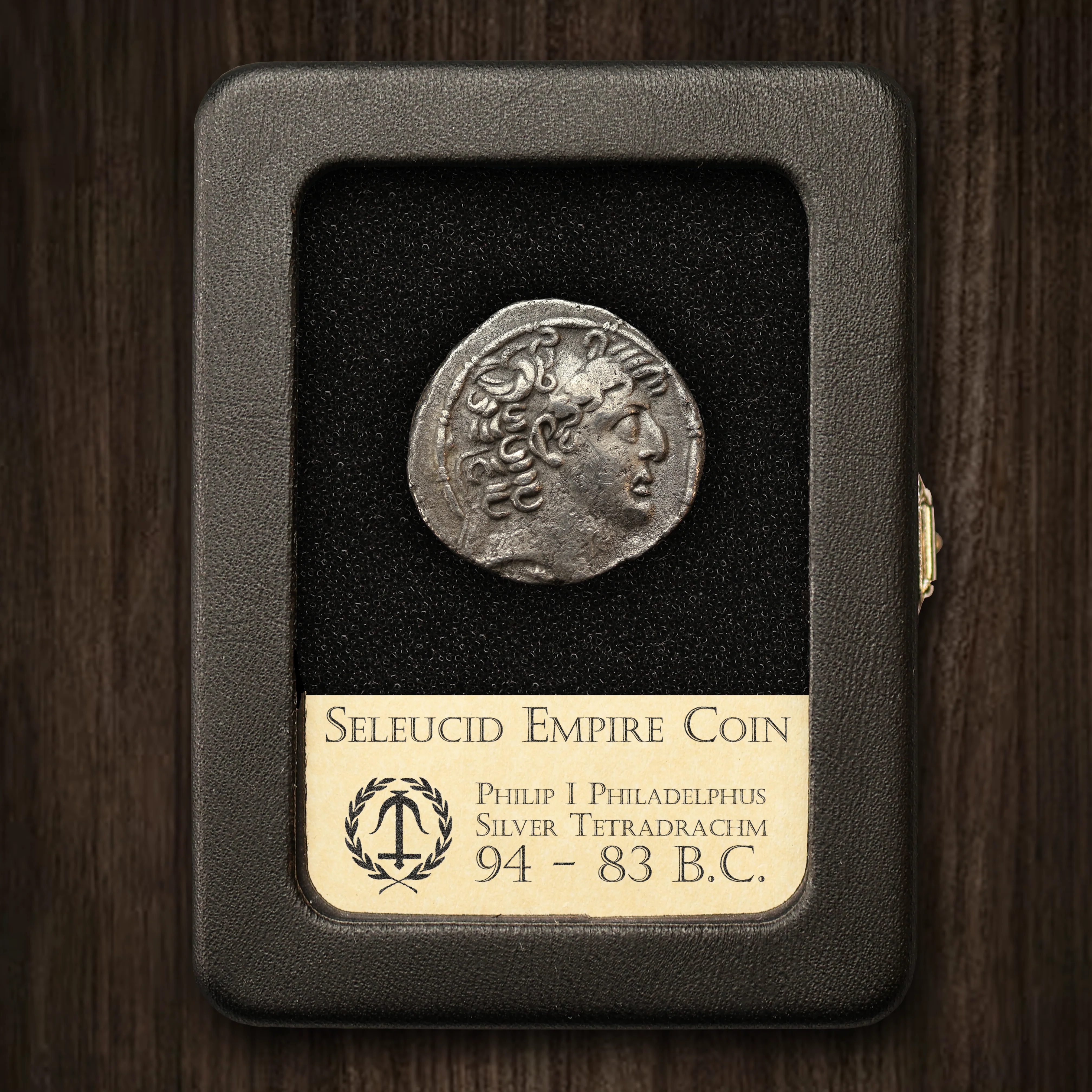
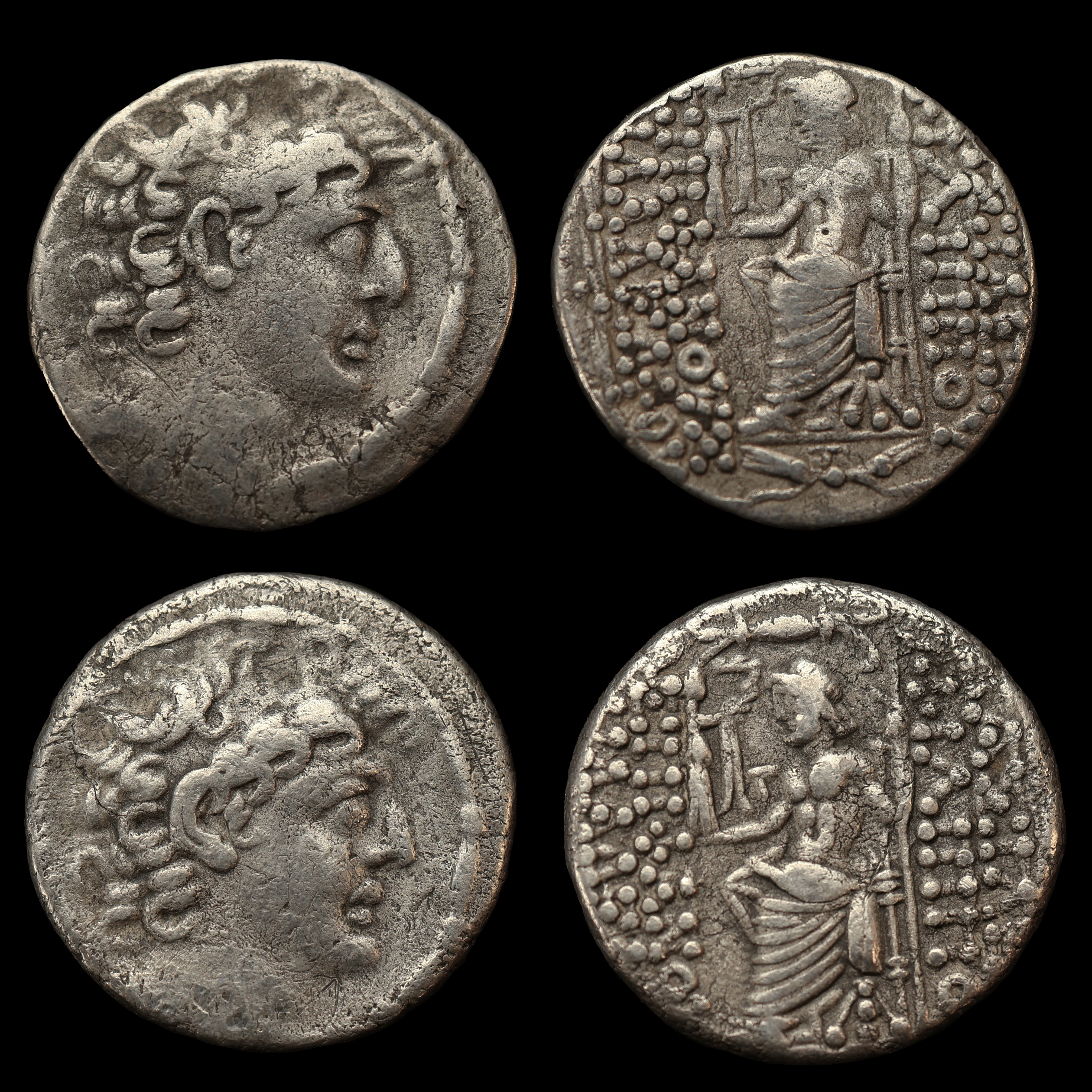
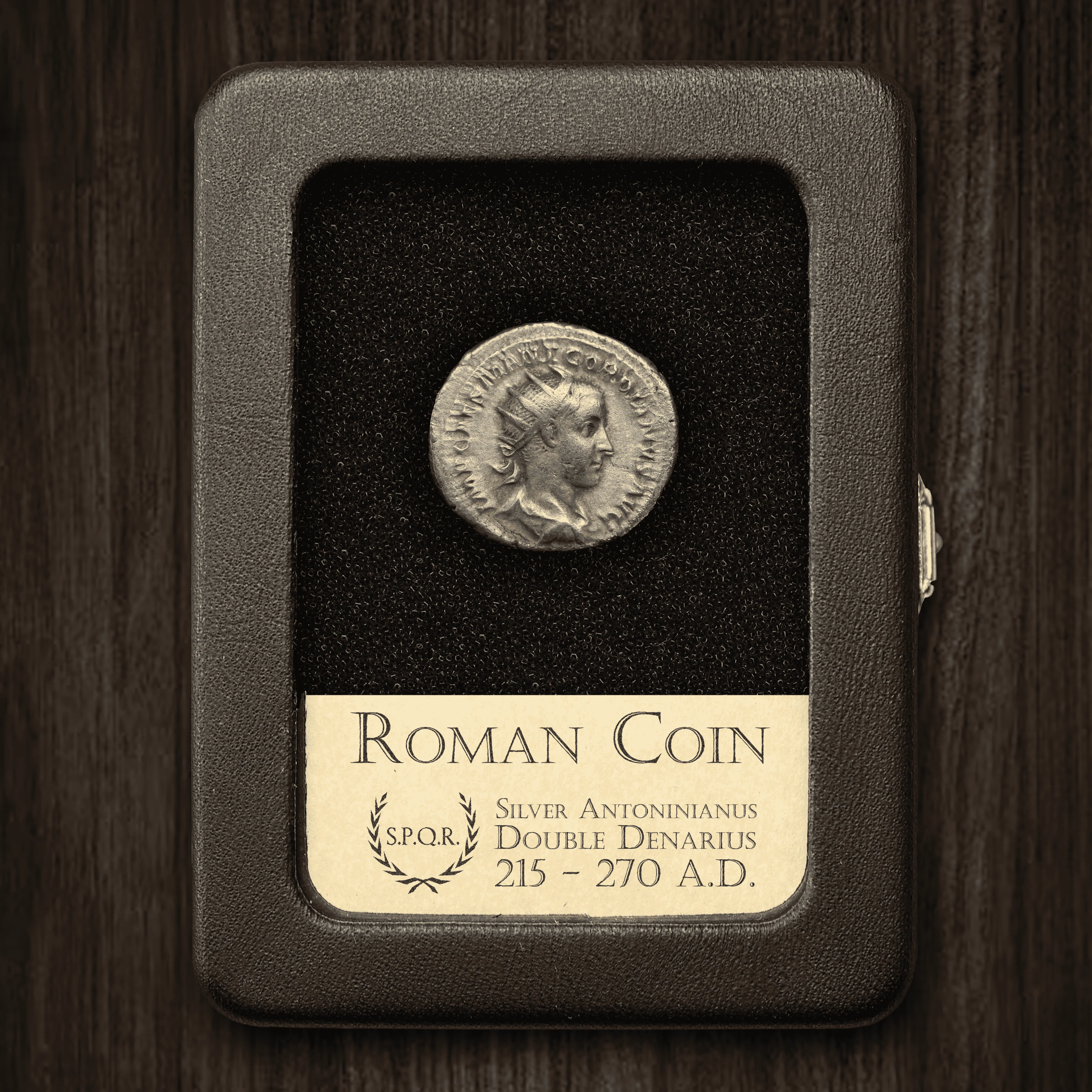
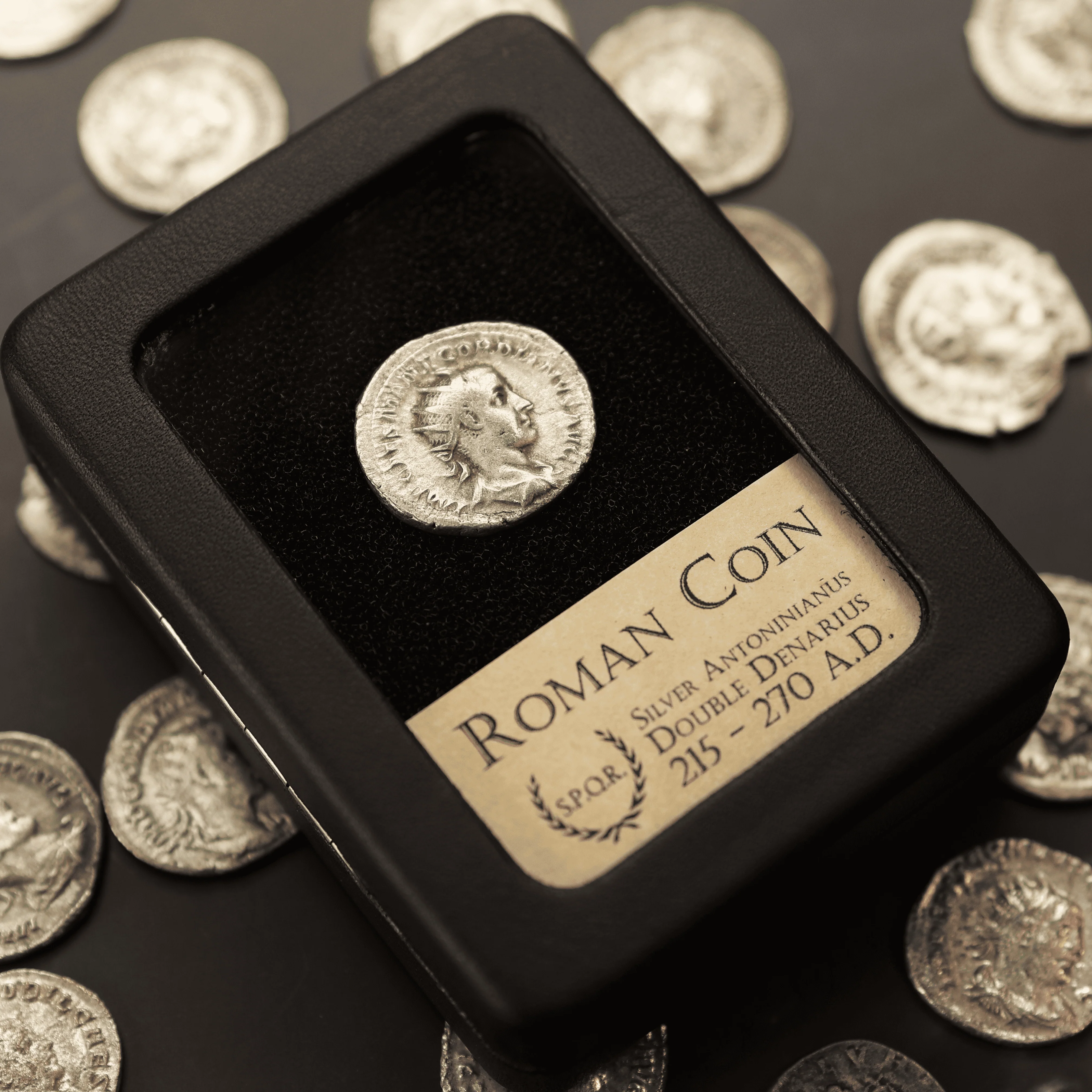
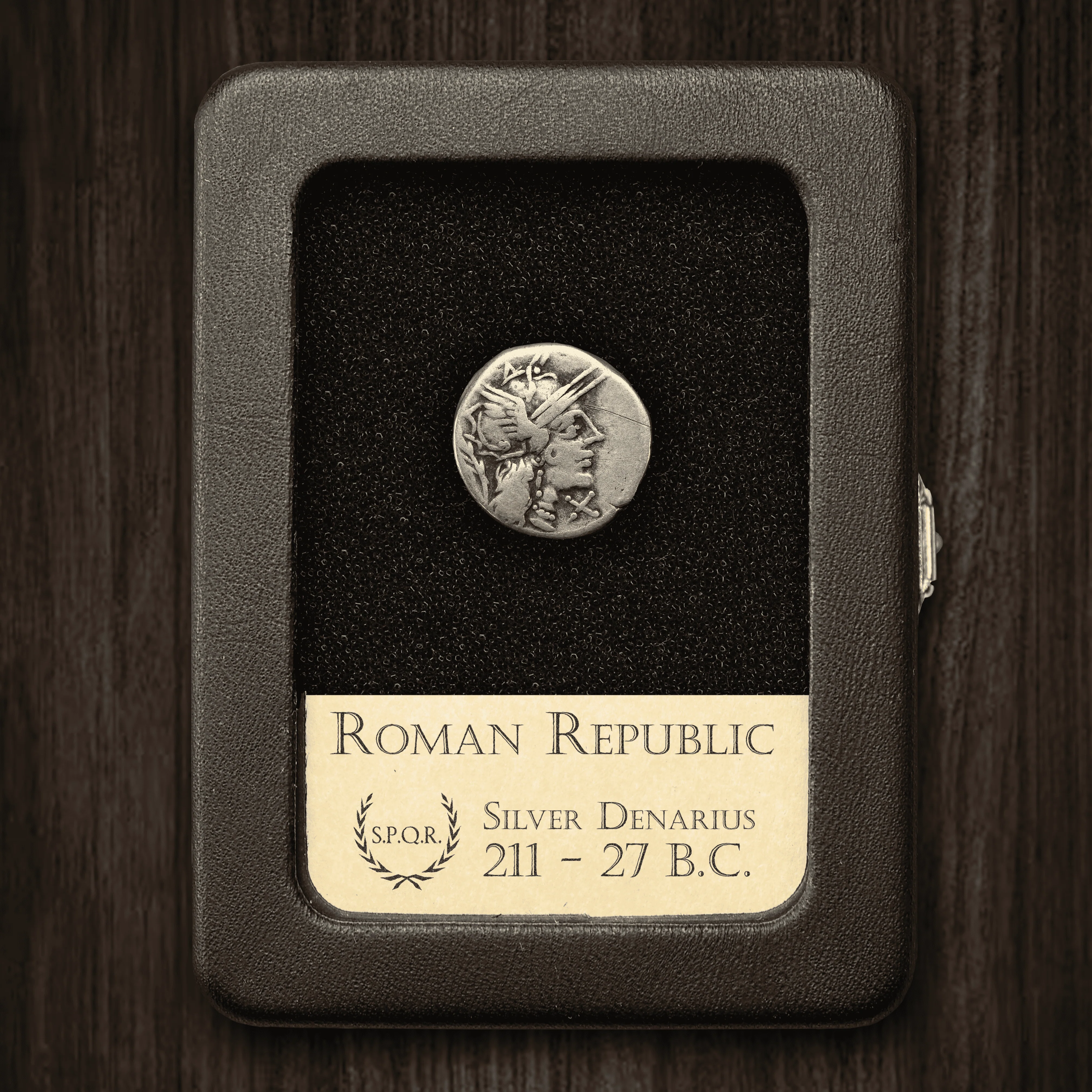
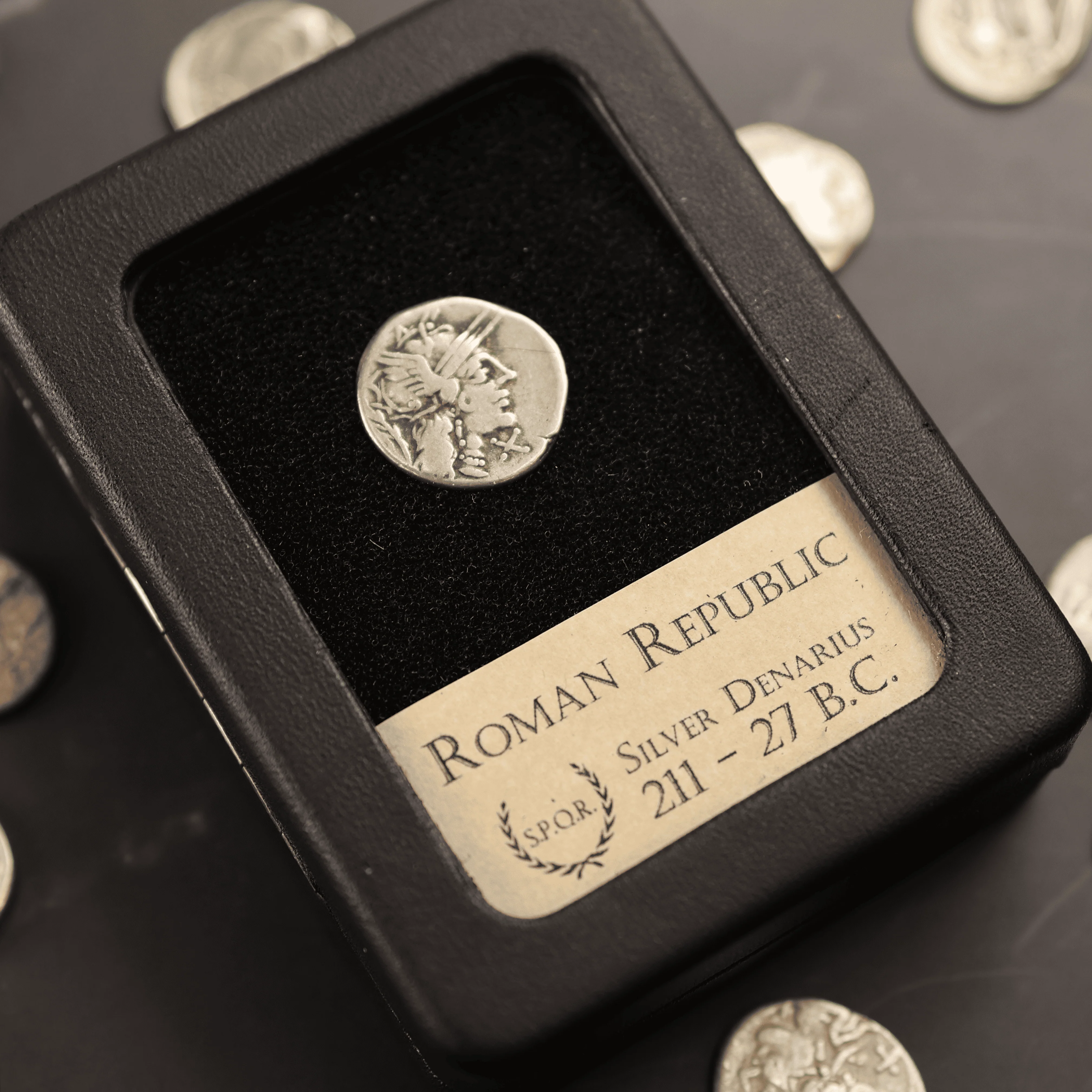
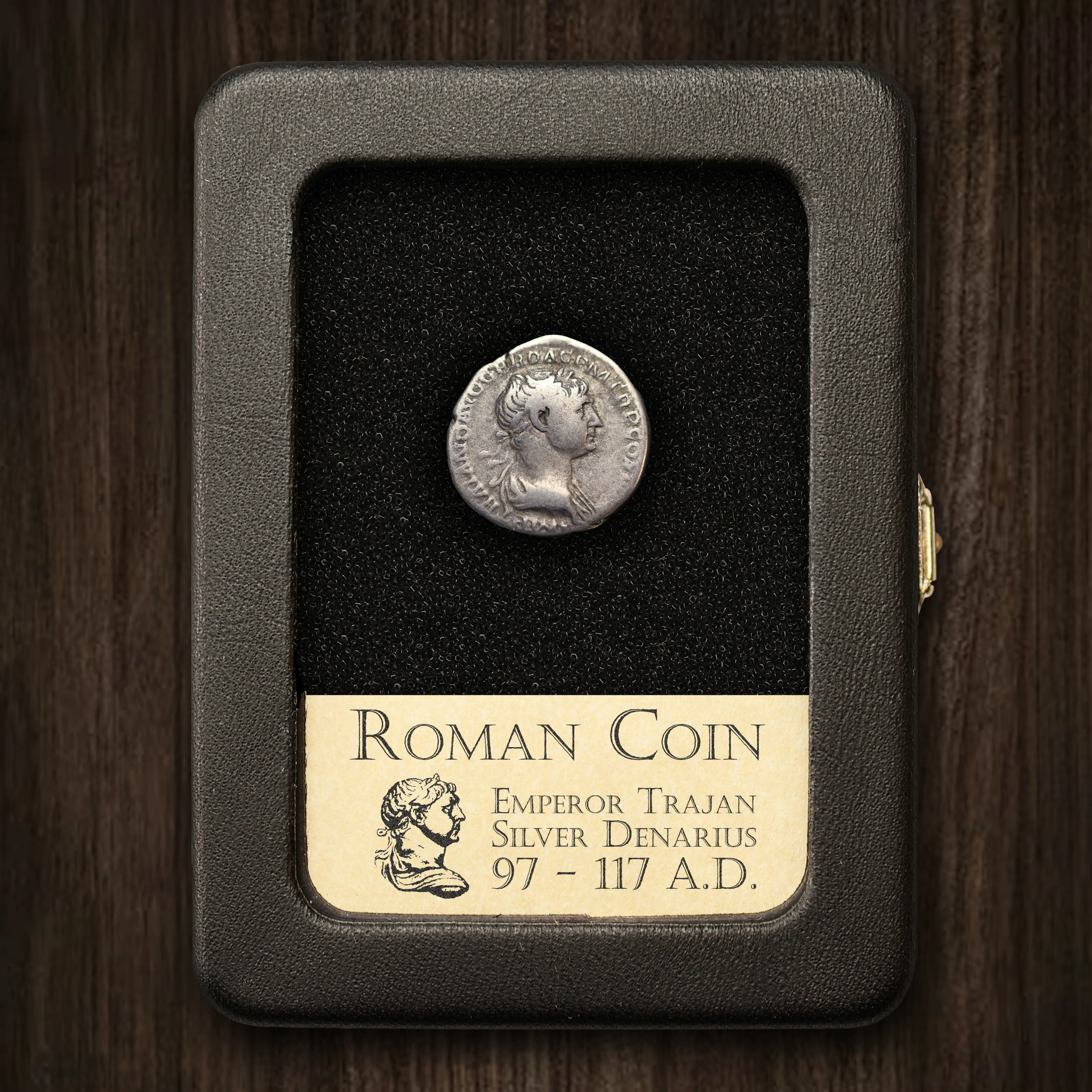
Your coin will look very similar to the coins presented in the photos. 

Your order will include:

  • One authentic Ancient Scythian Coin
  • Elegant protective case for preservation and display of your artifact 
  • Certificate of Authenticity

Ancient Artifacts relics are guaranteed authentic and have a 100% money back policy. Read more about our Mission and Promise for authenticity. 
$89.98
Ancient Scythia | Silver Drachm
$89.98

More Images

Ancient Scythia | Silver Drachm - Image 2
Ancient Scythia | Silver Drachm - Image 3
Ancient Scythia | Silver Drachm - Image 4

Ancient Scythia | Silver Drachm

History of the Artifact

The Indo-Scythians were nomadic Iranian peoples who migrated into modern-day Pakistan and northwestern India in the late second century BC, displacing the waning Indo-Greek kingdoms that had ruled the region since Alexander’s conquests. They retained much of the Hellenistic aesthetic, especially in their coinage, which continued to use Greek legends, portraiture, and weight standards such as the drachm. The coins attributed to the king—or kings—named Azes mark the high point of this cultural fusion: their obverses typically depict a mounted ruler in military dress, echoing the Scythians’ equestrian heritage, while the reverses often show Greek deities like Zeus or Athena, inscribed in both Greek and Kharosthi scripts. These bilingual, bicultural issues reveal a sophisticated society that straddled Central Asian and South Asian traditions, using coinage as a medium to unify Greek, Indian, and nomadic elements under one political identity.

Scholars have long debated whether there were two rulers named Azes—Azes I and Azes II—or merely one king whose reign extended over several decades. The “two-Azes” model arose from subtle stylistic variations in the coins and from overstrikes, but recent numismatic studies suggest the possibility of a single, long-reigning monarch whose issues evolved over time. Regardless of how the chronology is divided, the Azes coinage reflects the Indo-Scythians’ gradual transformation from steppe warriors into rulers of a settled, urbanized realm that absorbed the prestige of Greek models while expressing their own imperial authority. These silver drachms, equal in weight to their Hellenistic counterparts, circulated widely across Gandhara and the Indus Valley, serving both as instruments of trade and as enduring symbols of a nomadic people who remade the classical world in their own image.

How do I know these are original Scythian coins?

Ancient Artifacts guarantees the Authenticity of items sold through a three layer system of protection

  1. Ancient Artifacts exclusively sources artifacts from trusted and reputable antique distributors, many of whom have been selling Artifacts for decades.  
  2. Next, the Artifact is inspected by an expert team member, who is professionally trained in counterfeit detection After the artifact passes inspection, the Certificate of Authenticity is signed and the Artifact is packaged. 
  3. Finally, Ancient Artifacts gives an additional layer of protection by promising a full refund with no questions asked, in the extremely unlikely event that a counterfeit slips through our vetting process.

What will my coin look like?

Your coin will look very similar to the coins presented in the photos. 

Your order will include:

  • One authentic Ancient Scythian Coin
  • Elegant protective case for preservation and display of your artifact 
  • Certificate of Authenticity

Ancient Artifacts relics are guaranteed authentic and have a 100% money back policy. Read more about our Mission and Promise for authenticity. 
Product Information

Shipping & Returns

Description

History of the Artifact

The Indo-Scythians were nomadic Iranian peoples who migrated into modern-day Pakistan and northwestern India in the late second century BC, displacing the waning Indo-Greek kingdoms that had ruled the region since Alexander’s conquests. They retained much of the Hellenistic aesthetic, especially in their coinage, which continued to use Greek legends, portraiture, and weight standards such as the drachm. The coins attributed to the king—or kings—named Azes mark the high point of this cultural fusion: their obverses typically depict a mounted ruler in military dress, echoing the Scythians’ equestrian heritage, while the reverses often show Greek deities like Zeus or Athena, inscribed in both Greek and Kharosthi scripts. These bilingual, bicultural issues reveal a sophisticated society that straddled Central Asian and South Asian traditions, using coinage as a medium to unify Greek, Indian, and nomadic elements under one political identity.

Scholars have long debated whether there were two rulers named Azes—Azes I and Azes II—or merely one king whose reign extended over several decades. The “two-Azes” model arose from subtle stylistic variations in the coins and from overstrikes, but recent numismatic studies suggest the possibility of a single, long-reigning monarch whose issues evolved over time. Regardless of how the chronology is divided, the Azes coinage reflects the Indo-Scythians’ gradual transformation from steppe warriors into rulers of a settled, urbanized realm that absorbed the prestige of Greek models while expressing their own imperial authority. These silver drachms, equal in weight to their Hellenistic counterparts, circulated widely across Gandhara and the Indus Valley, serving both as instruments of trade and as enduring symbols of a nomadic people who remade the classical world in their own image.

How do I know these are original Scythian coins?

Ancient Artifacts guarantees the Authenticity of items sold through a three layer system of protection

  1. Ancient Artifacts exclusively sources artifacts from trusted and reputable antique distributors, many of whom have been selling Artifacts for decades.  
  2. Next, the Artifact is inspected by an expert team member, who is professionally trained in counterfeit detection After the artifact passes inspection, the Certificate of Authenticity is signed and the Artifact is packaged. 
  3. Finally, Ancient Artifacts gives an additional layer of protection by promising a full refund with no questions asked, in the extremely unlikely event that a counterfeit slips through our vetting process.

What will my coin look like?

Your coin will look very similar to the coins presented in the photos. 

Your order will include:

  • One authentic Ancient Scythian Coin
  • Elegant protective case for preservation and display of your artifact 
  • Certificate of Authenticity

Ancient Artifacts relics are guaranteed authentic and have a 100% money back policy. Read more about our Mission and Promise for authenticity.