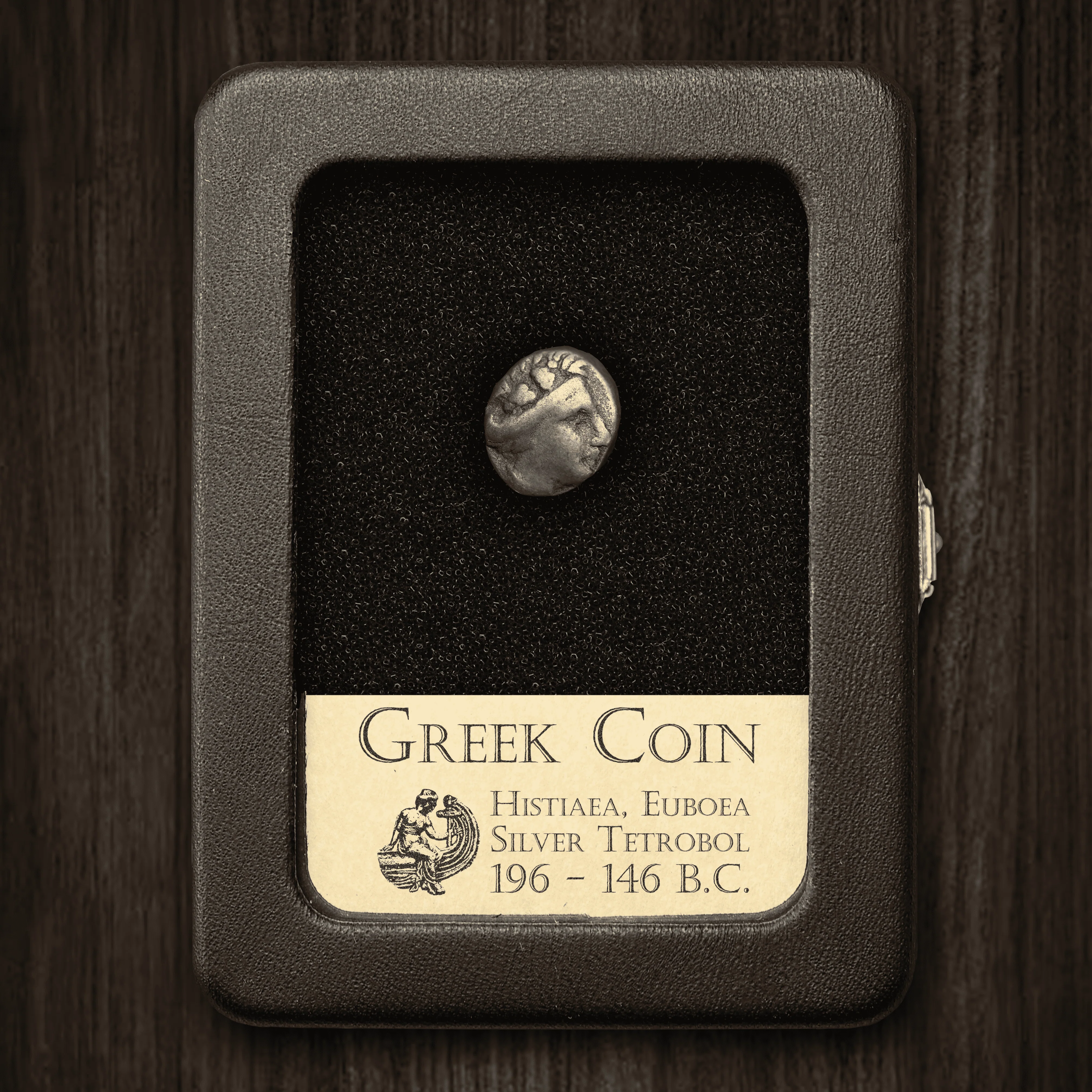
Greek Coin | Silver Tetrobol
History of the Artifact
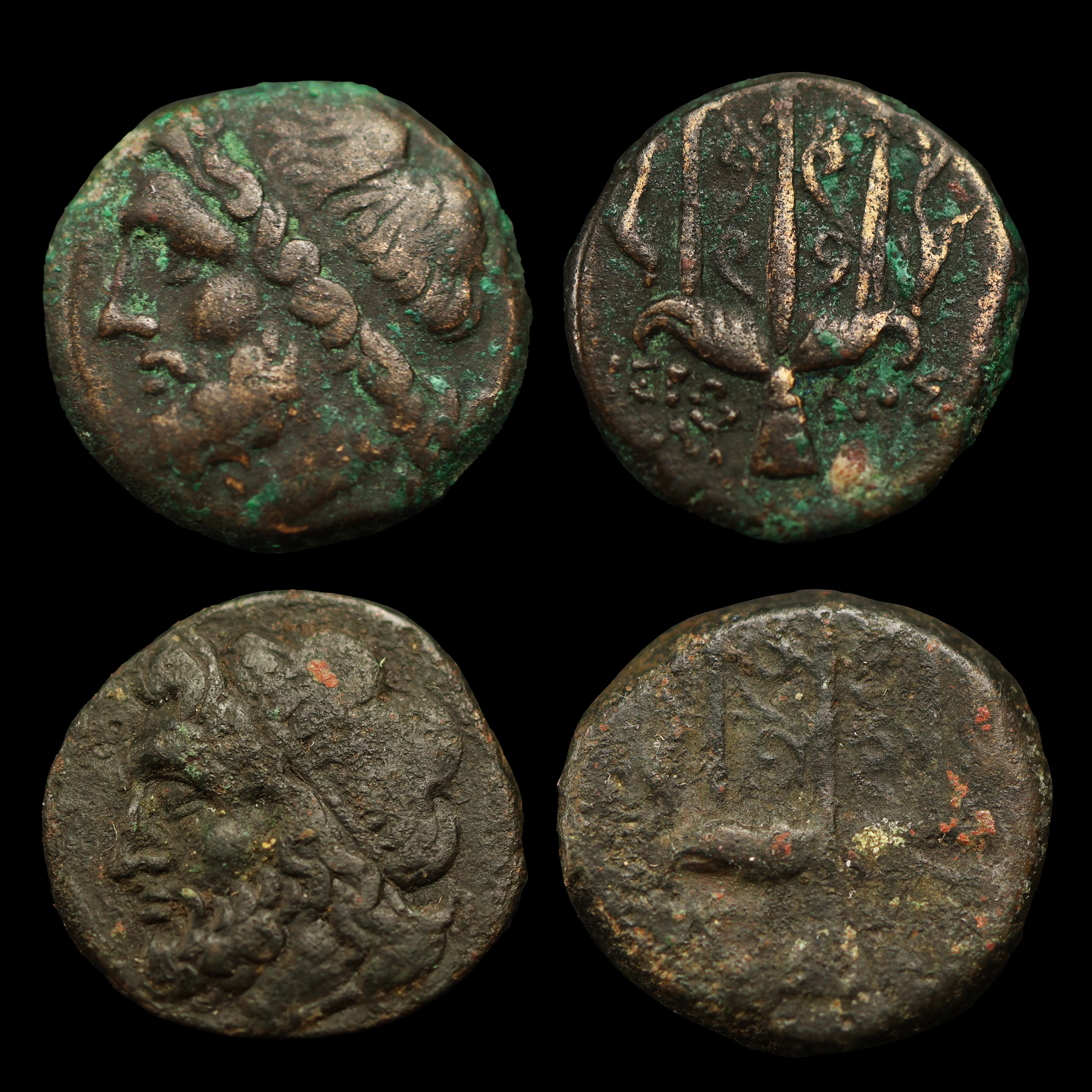
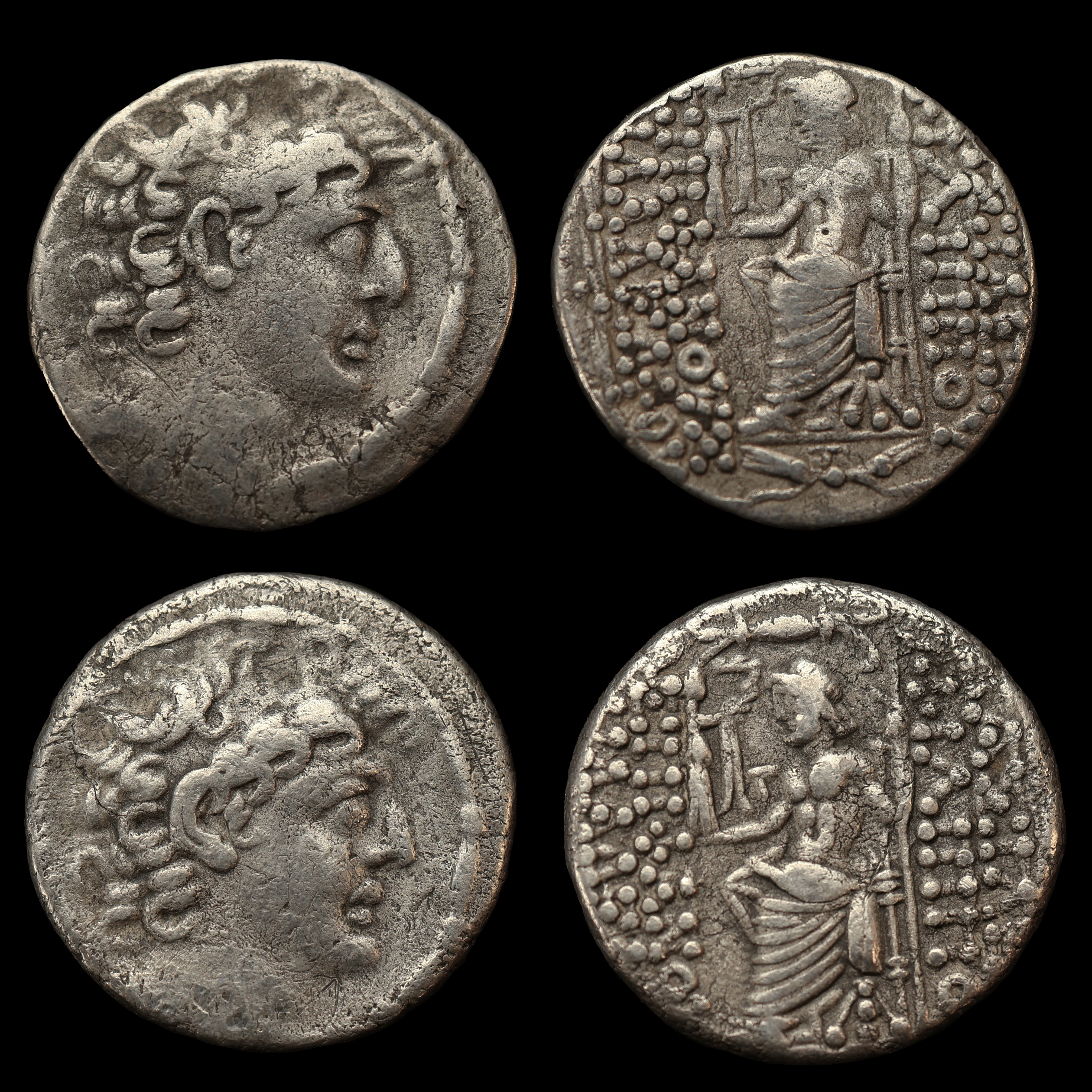
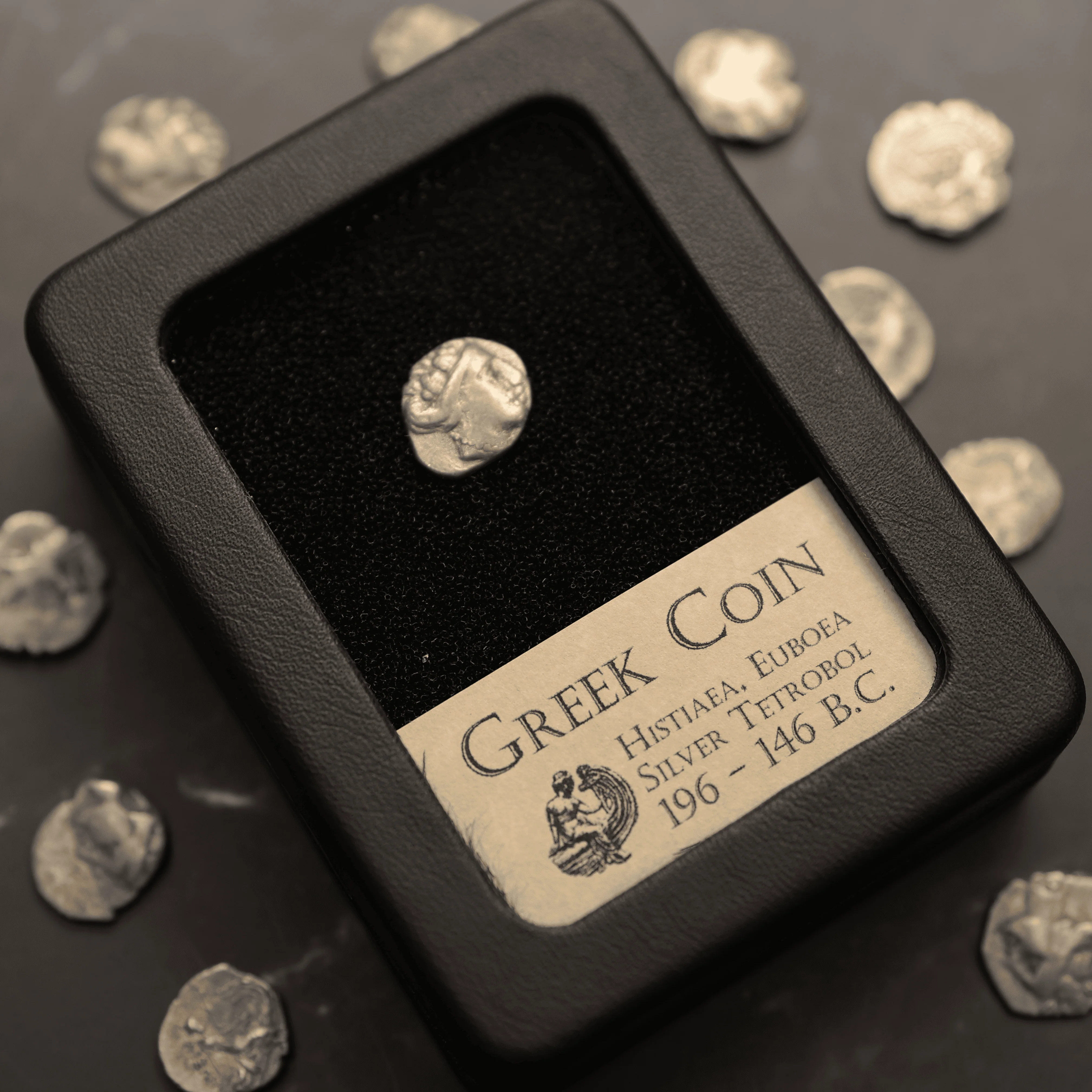
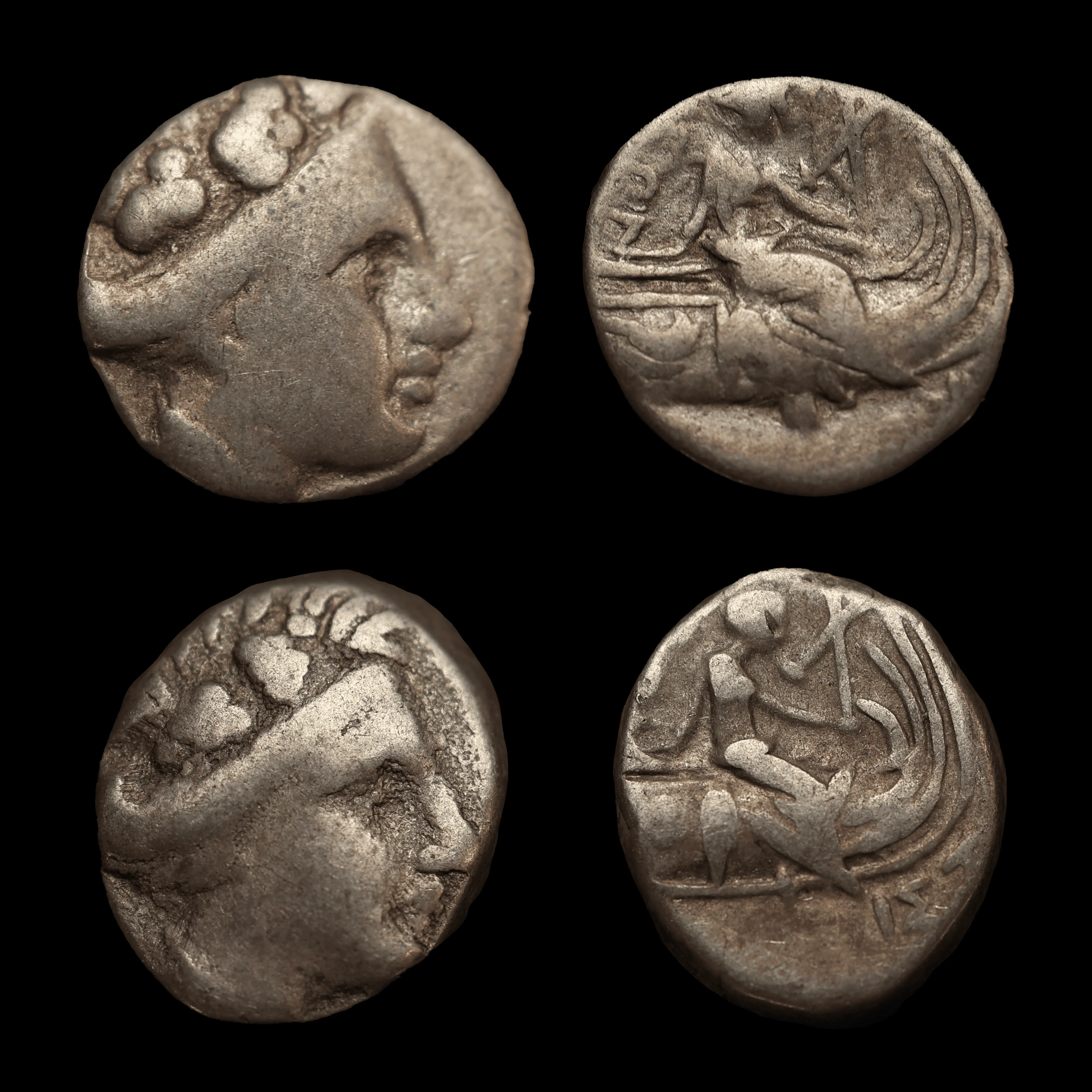
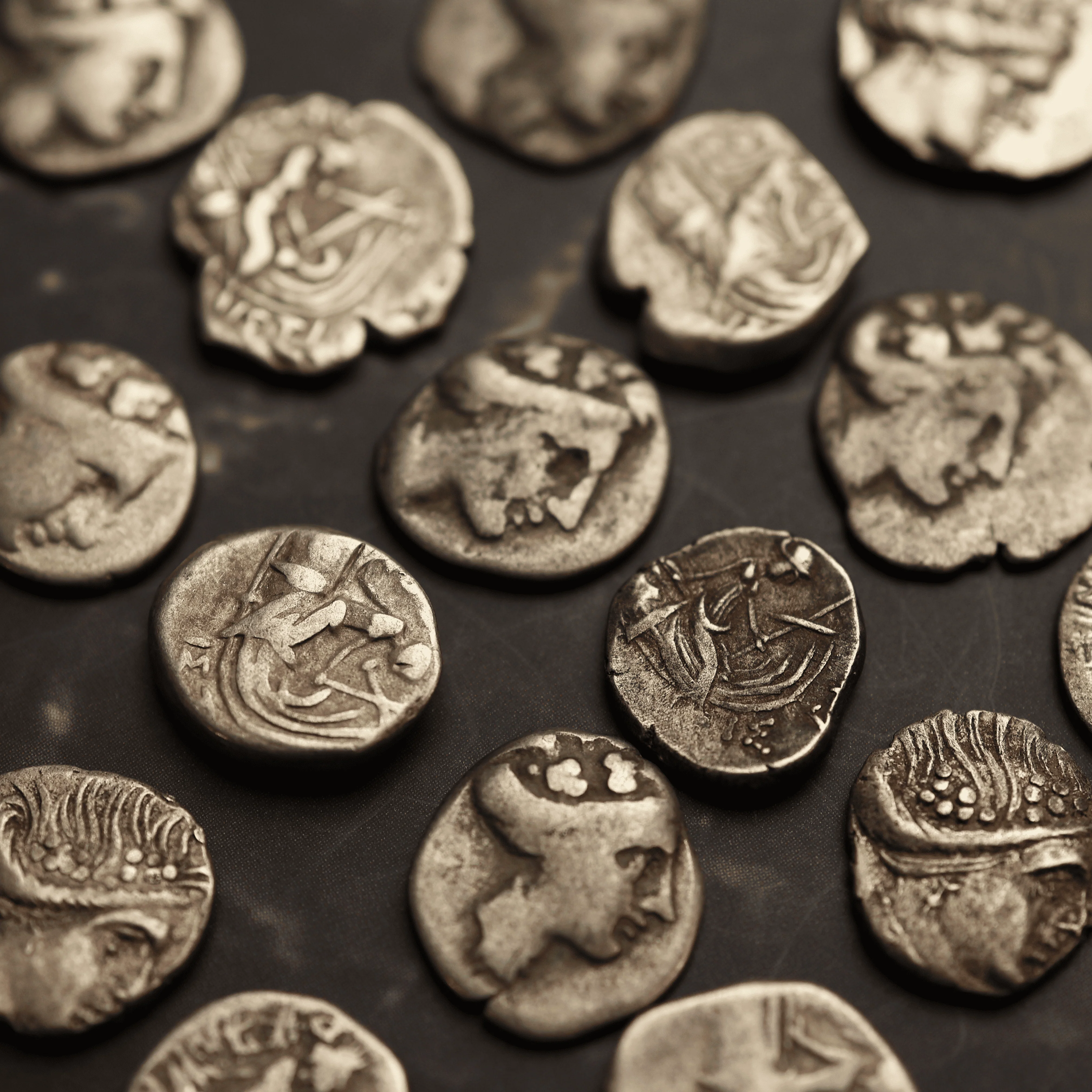
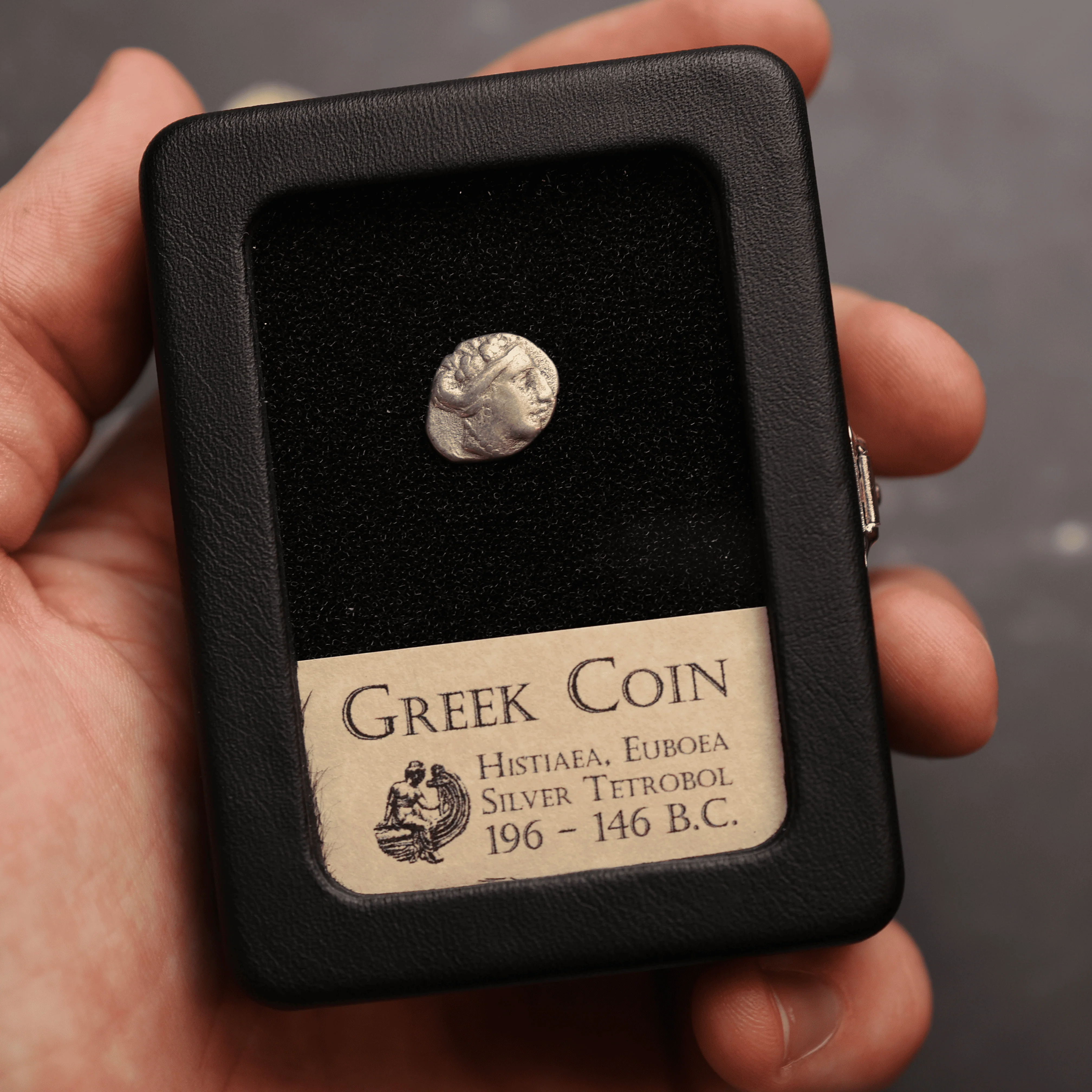
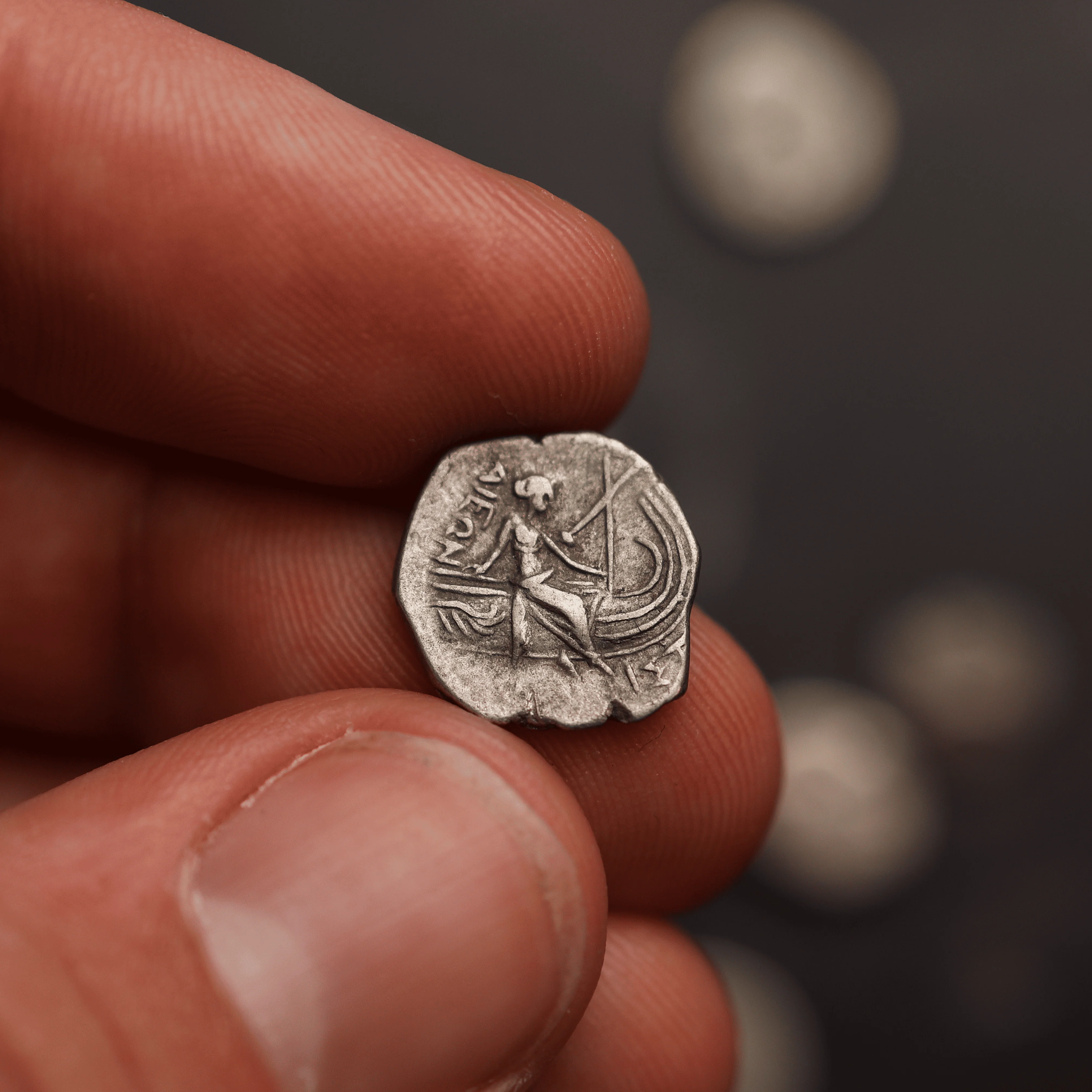
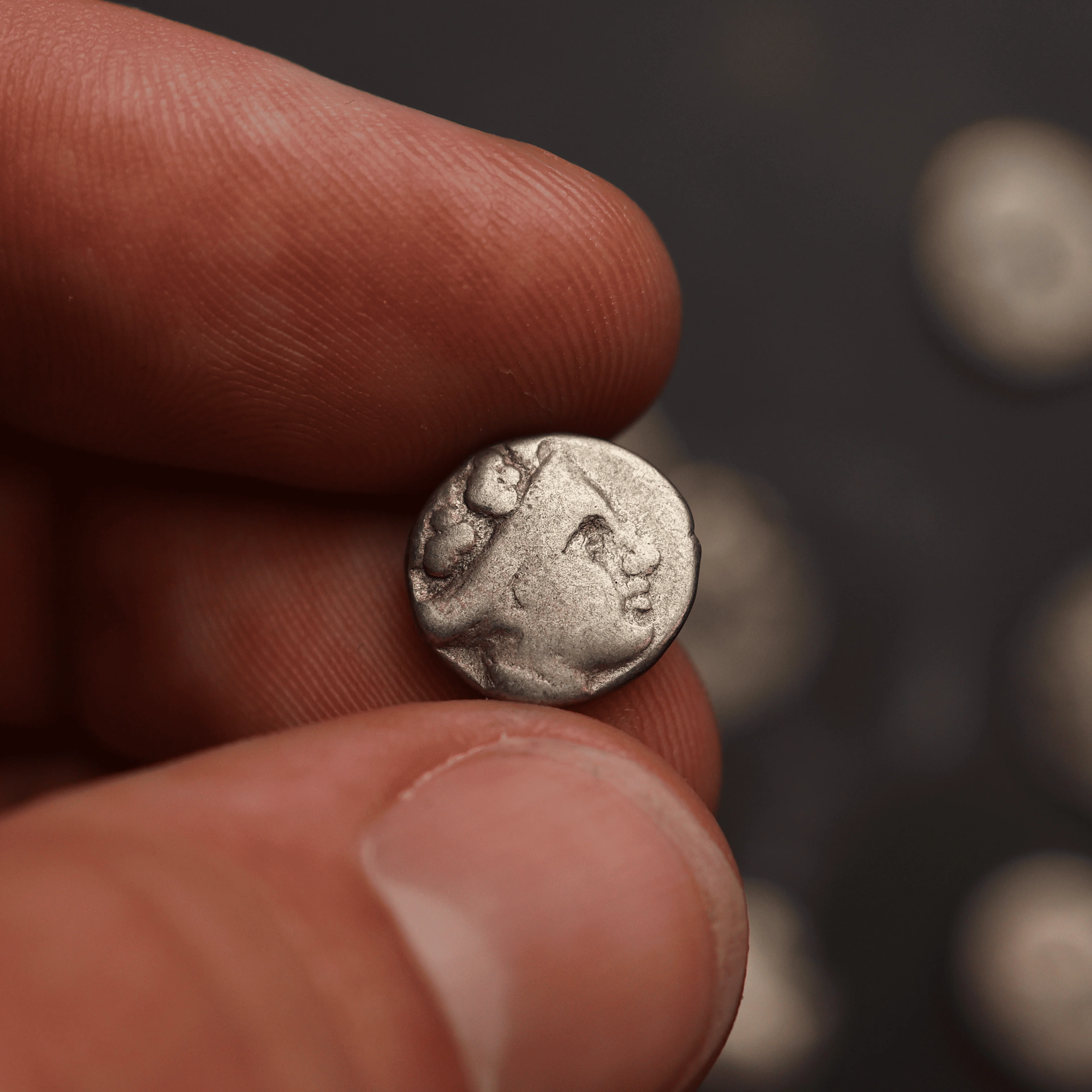
Minted on the Greek island of Euboea, in the city of Histiaia, between 196 - 146 BC, the coins feature the elegant head of the Nymph ‘Histiaia’ from which the city got its name. The same Nymph Histiaia is also featured on the reverse sat on the prow of an ancient Greek Galley.
A Nymph is a minor female nature deity typically associated with a particular location or landform. Different from goddesses, nymphs are generally regarded as divine spirits who animate nature, and are usually depicted as beautiful, young nubile maidens who love to dance and sing.
This coin is called a ‘Tetrobol’ signifying ‘4 Obols’. In Classical Greece, six Obols made up the drachma (a larger silver Greek coin, similar to the Roman Denarius). With one Obol, an ancient Greek could purchase a “Kantharos” of Wine (Cup of Wine), approximately 3 L or 100 US fl oz of Wine. Three obols were standard rate for prostitutes.
How do I know these are original Greek Coins?
Ancient Artifacts guarantees the Authenticity of items sold through a three layer system of protection:
- Ancient Artifacts exclusively sources artifacts from trusted and reputable antique distributors, many of whom have been selling Artifacts for decades.
- Next, the Artifact is inspected by an expert team member, who is professionally trained in counterfeit detection After the artifact passes inspection, the Certificate of Authenticity is signed and the Artifact is packaged.
- Finally, Ancient Artifacts gives an additional layer of protection by promising a full refund with no questions asked, in the extremely unlikely event that a counterfeit slips through our vetting process.
What will my artifact look like?
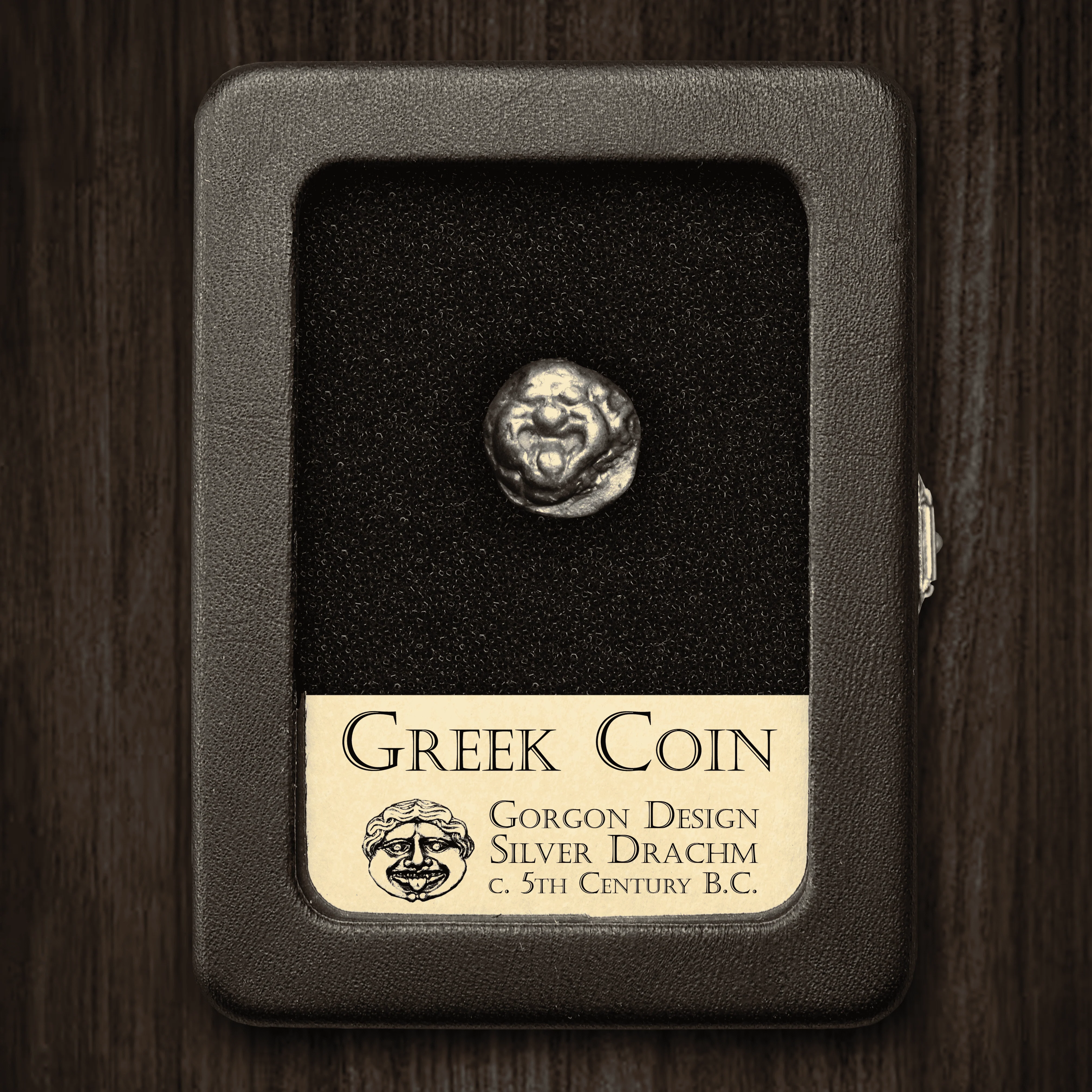
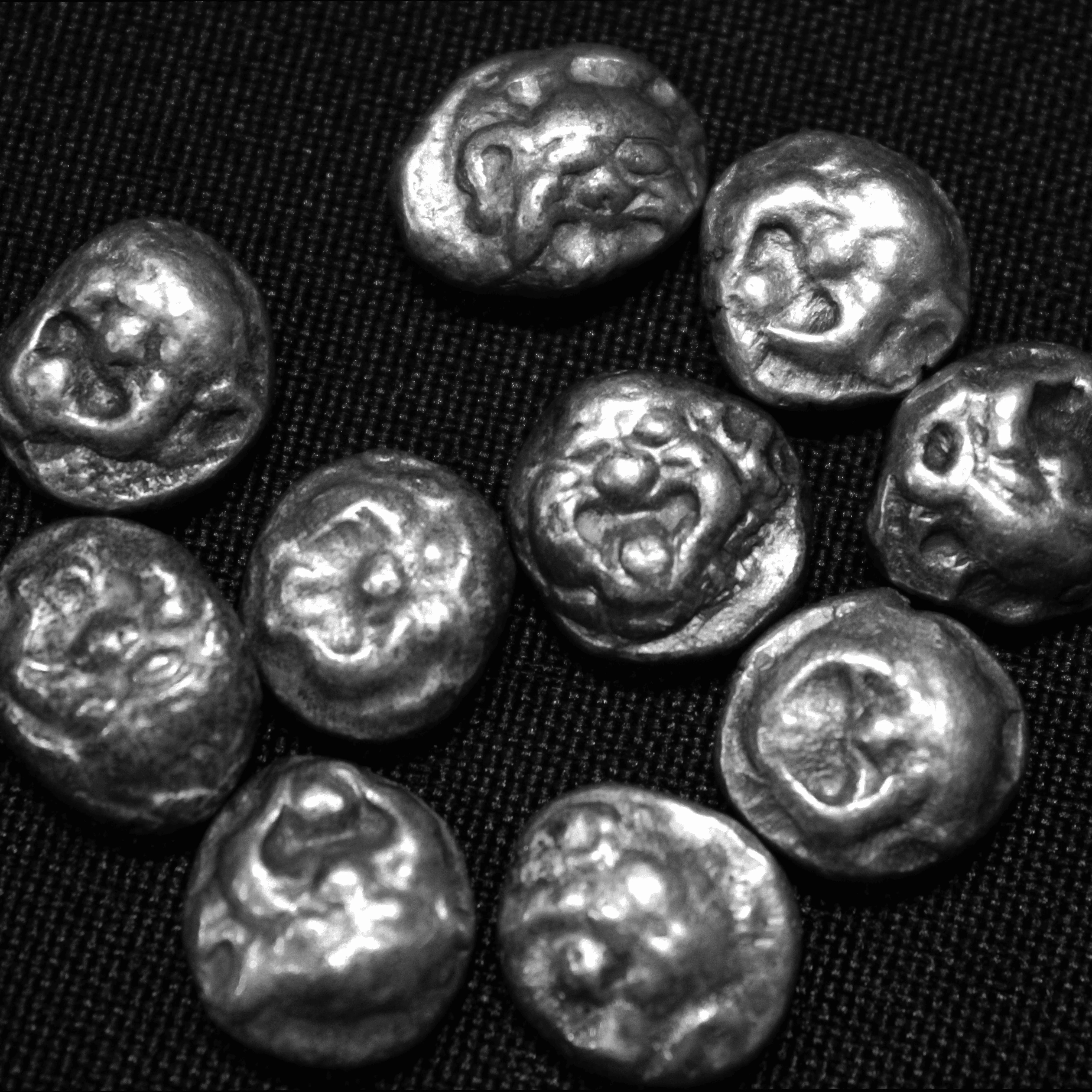
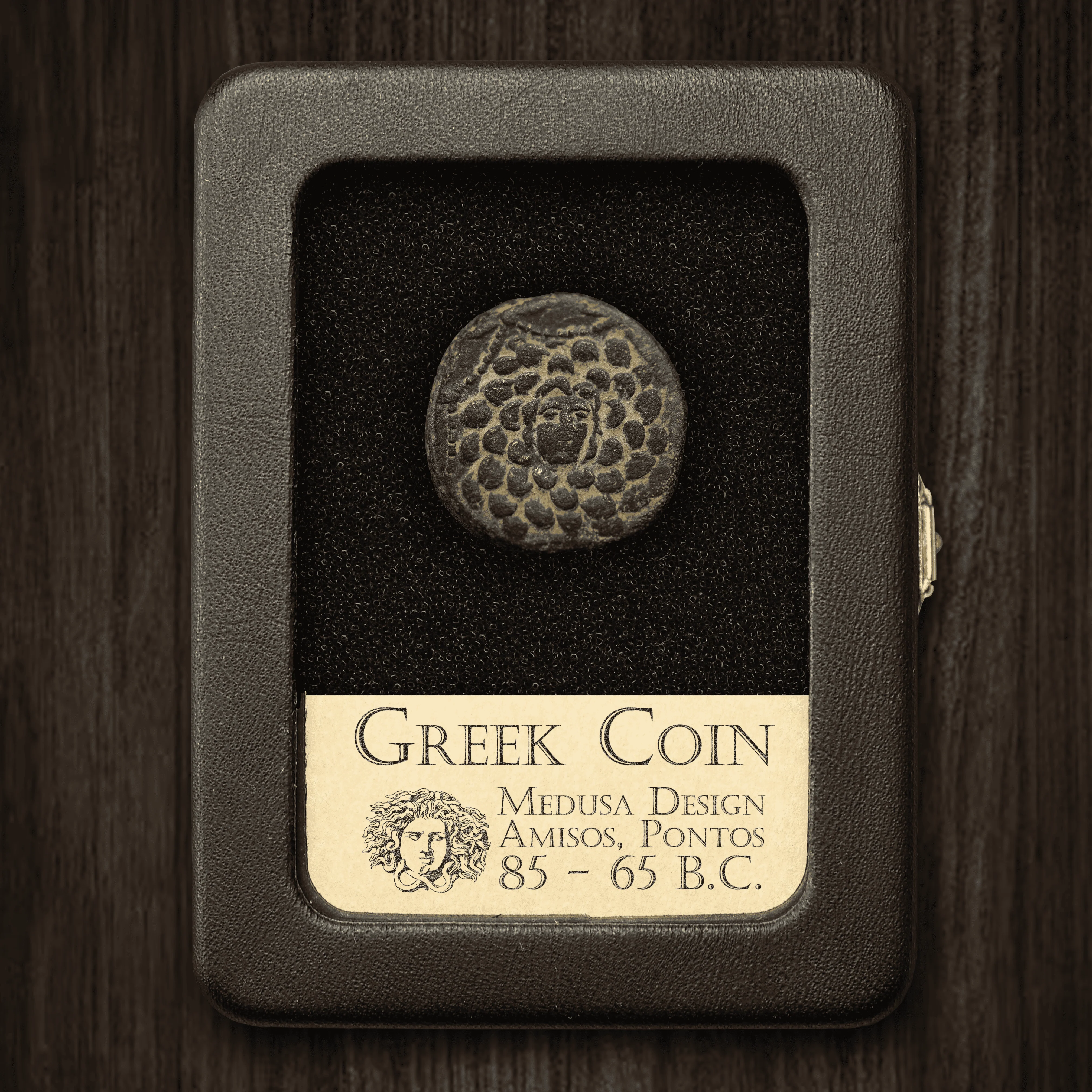
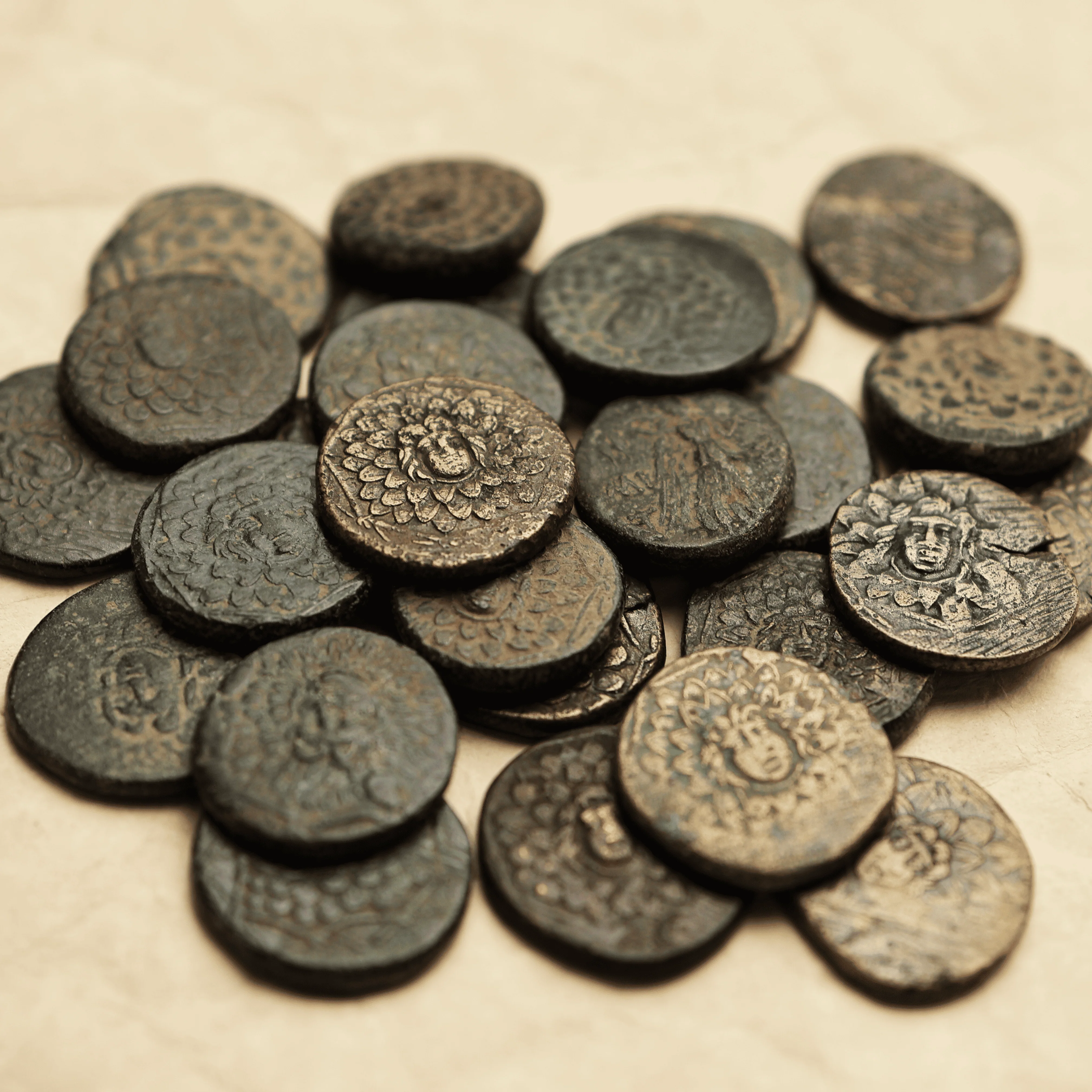
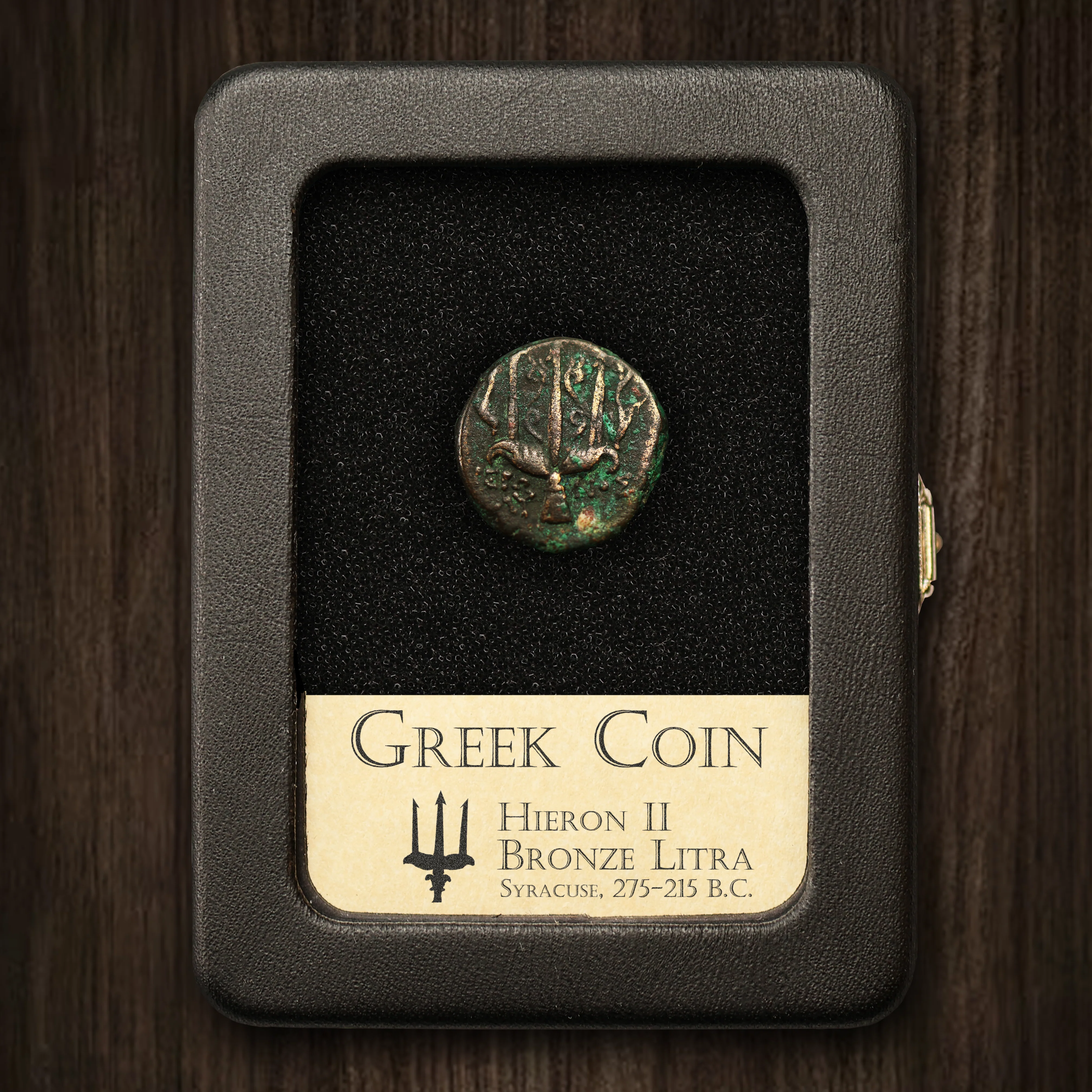
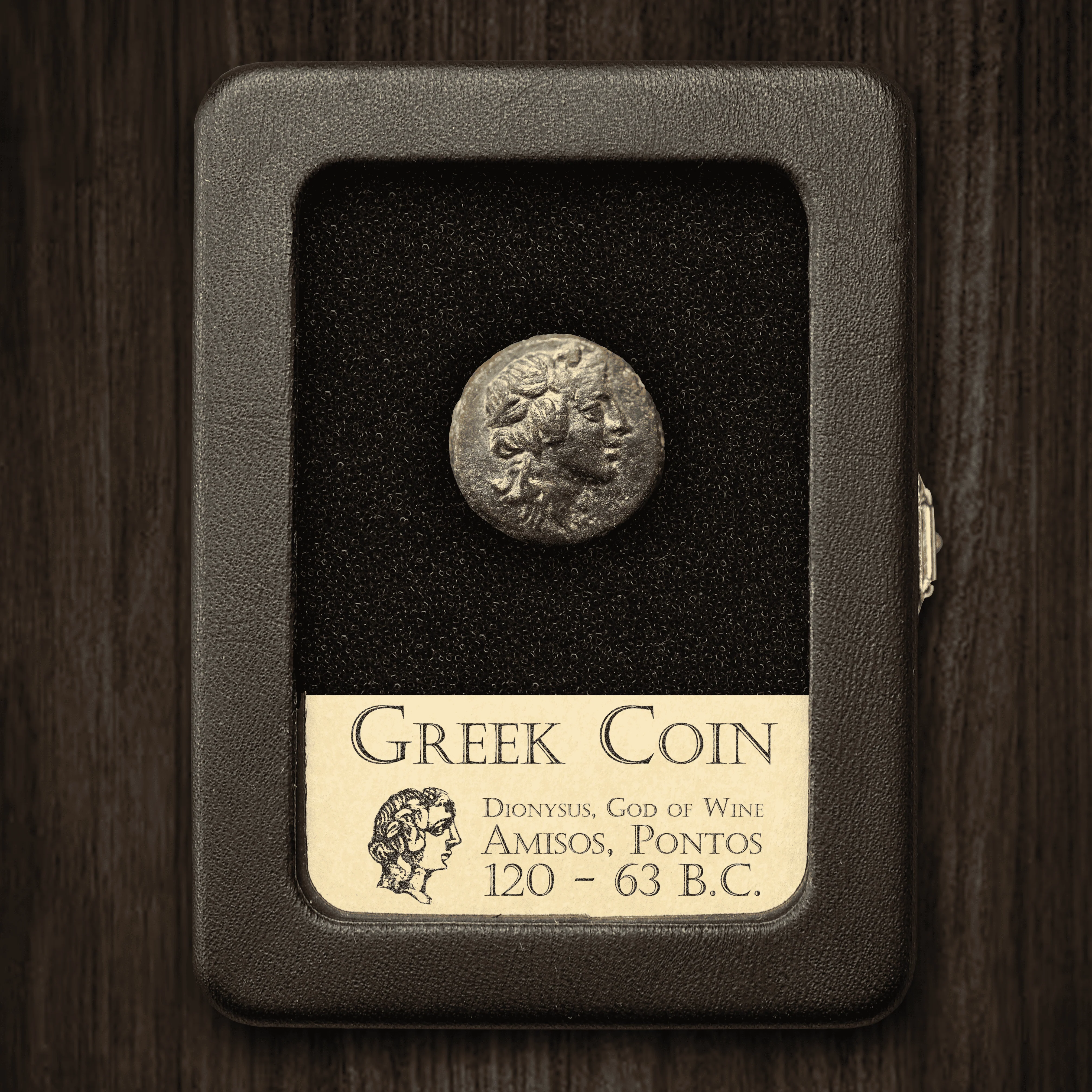
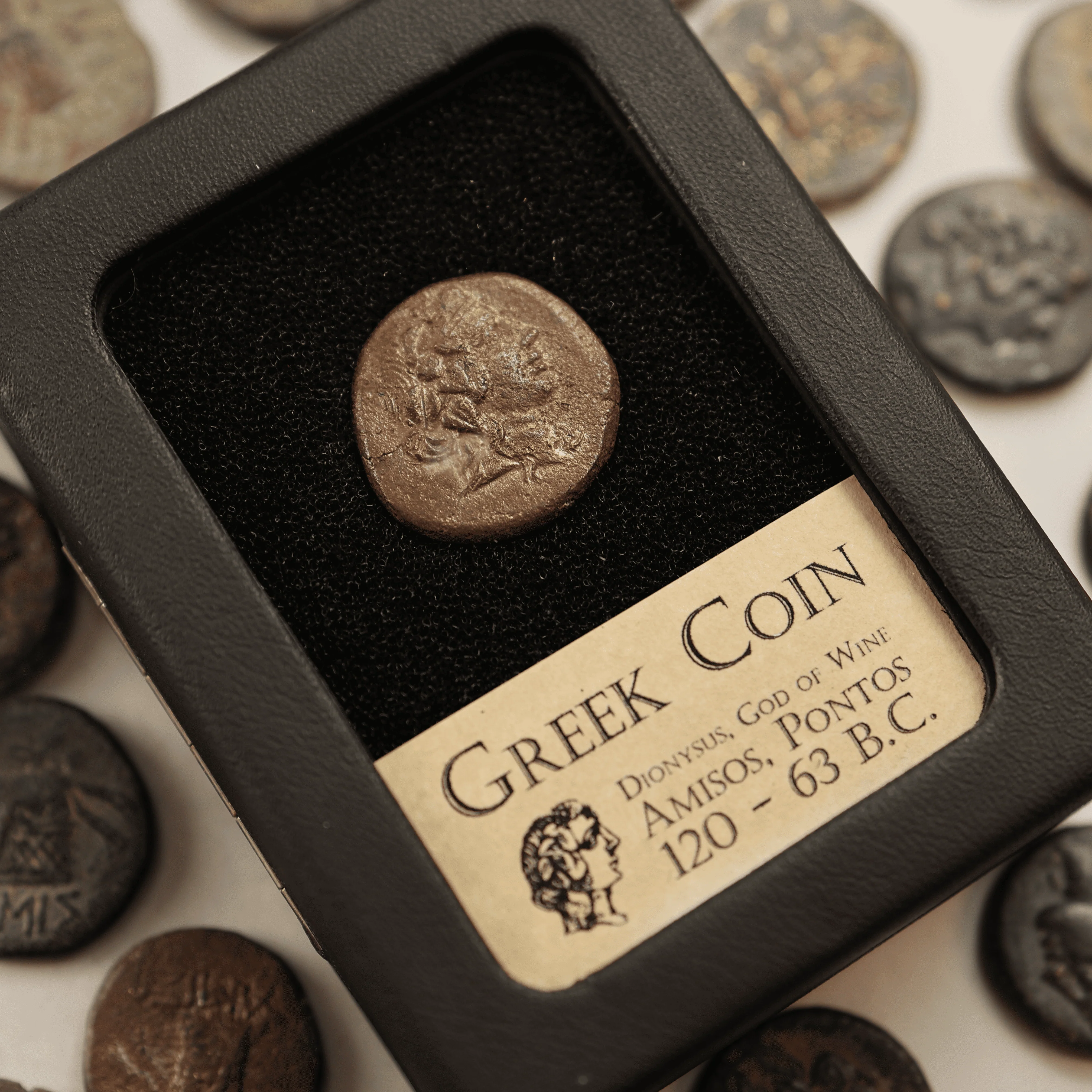
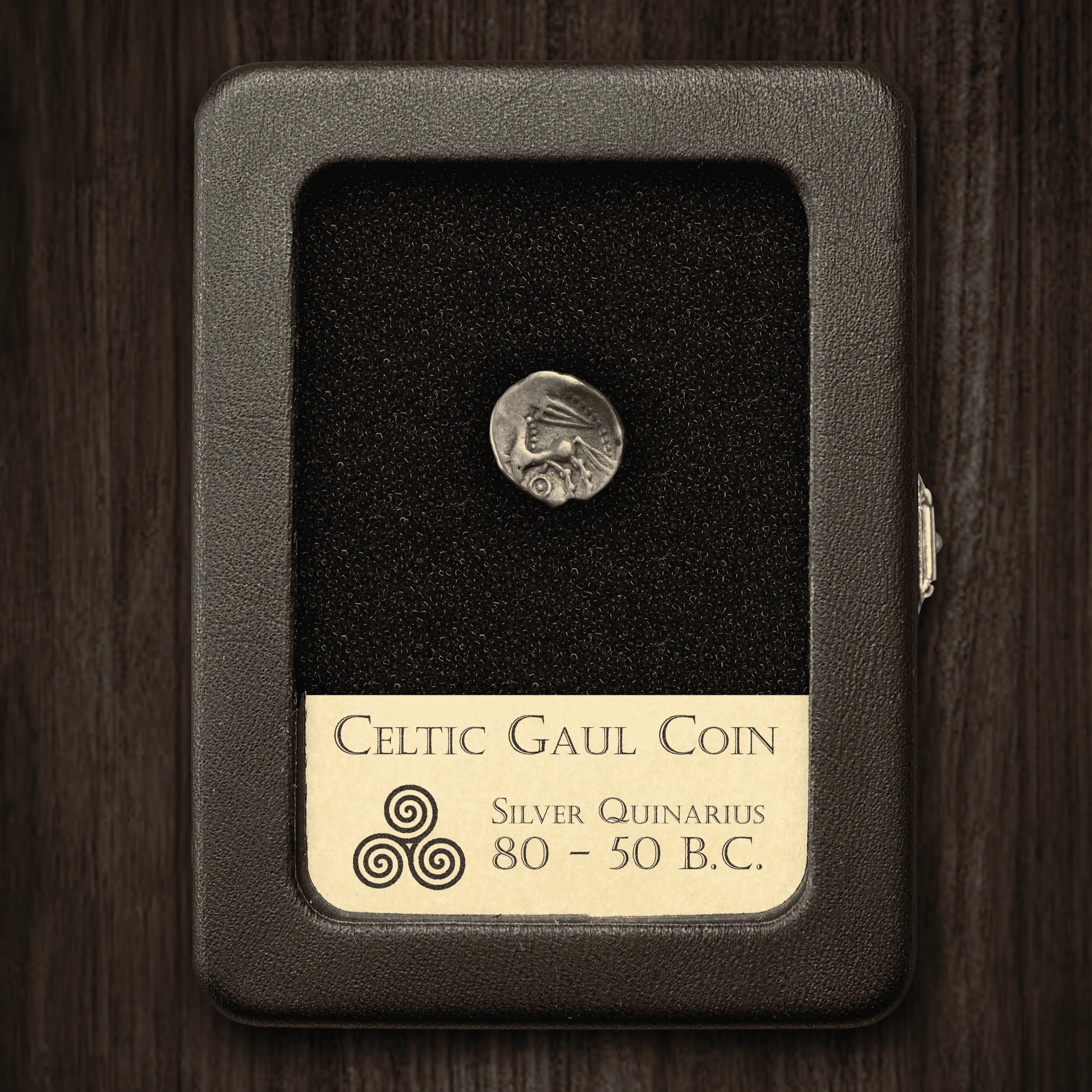
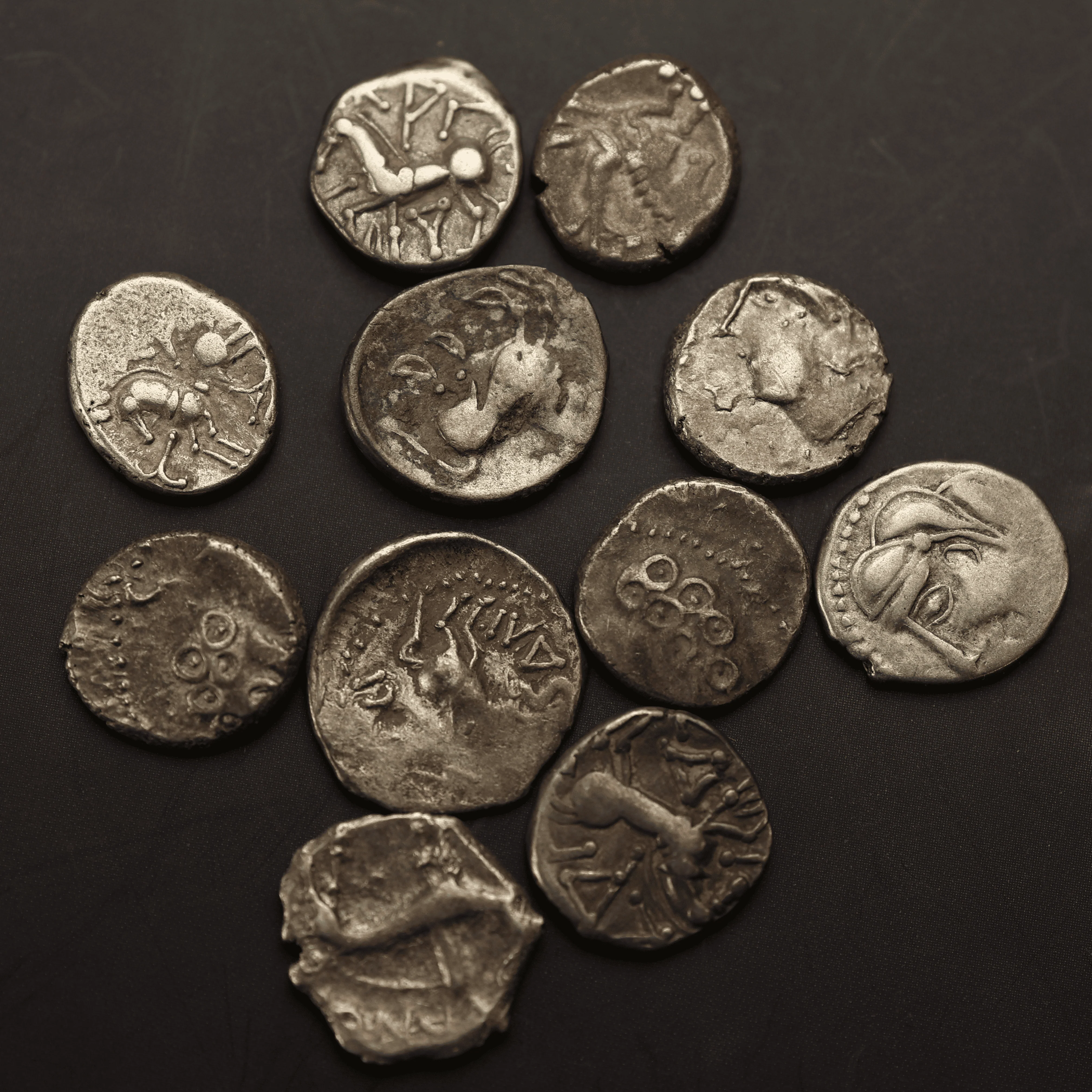
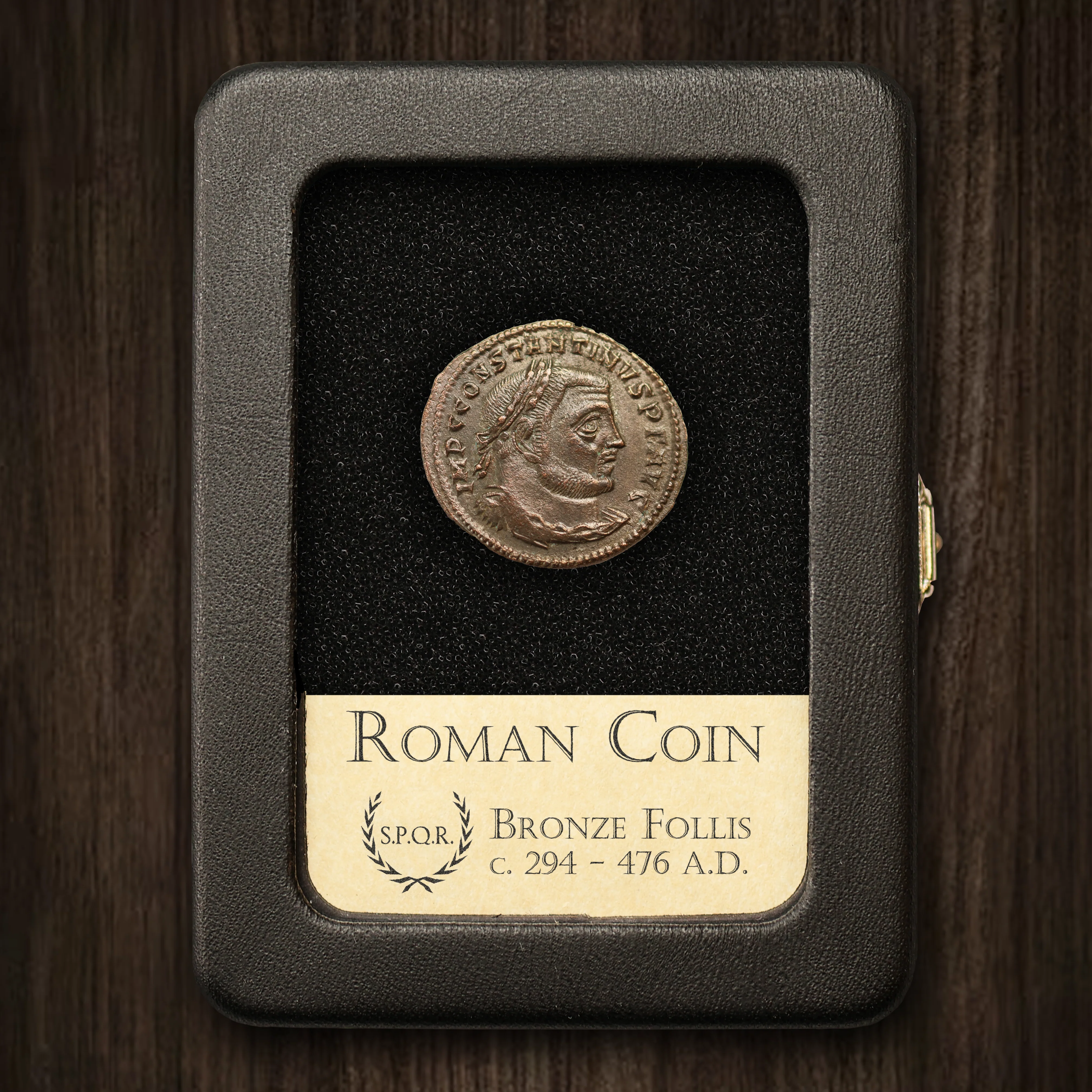
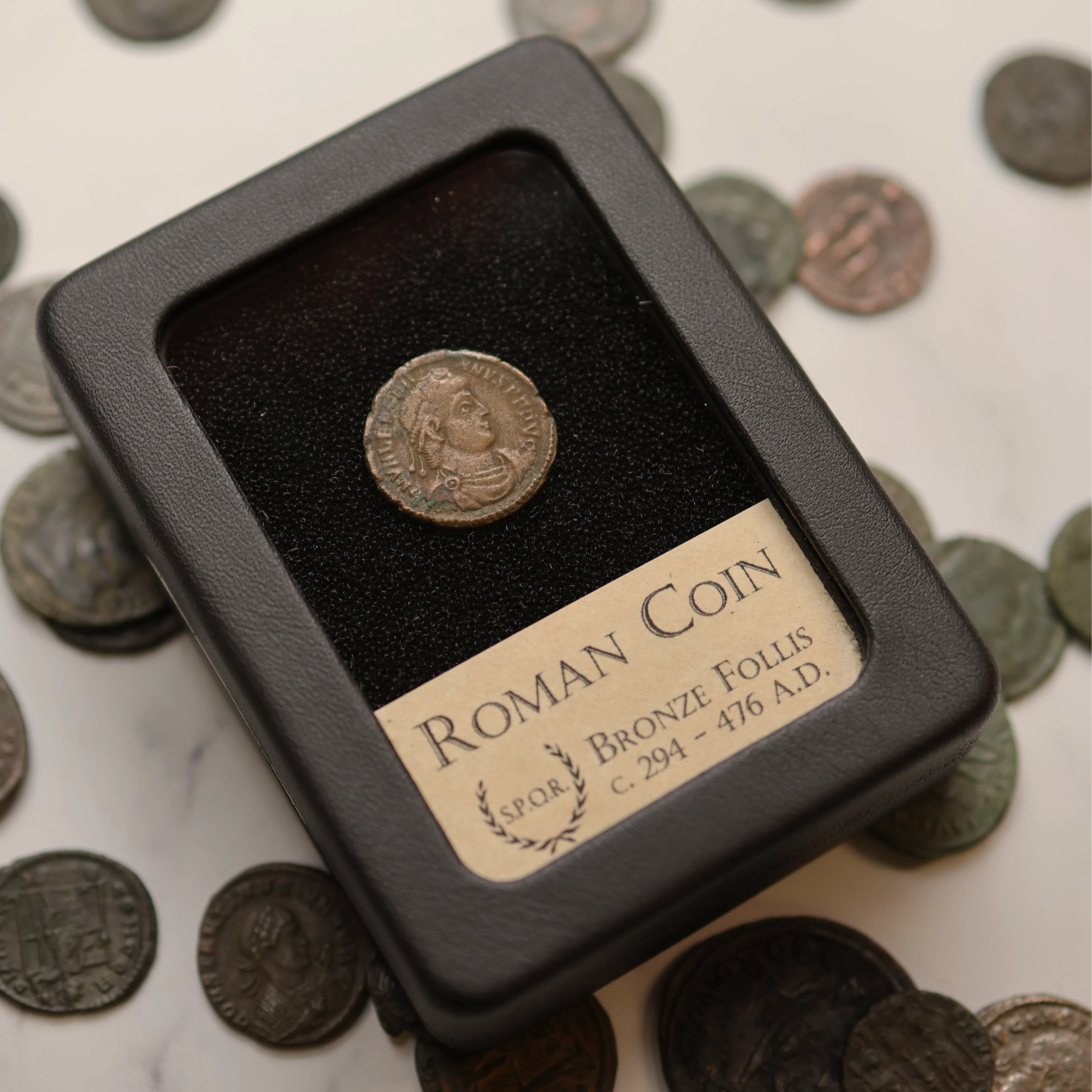
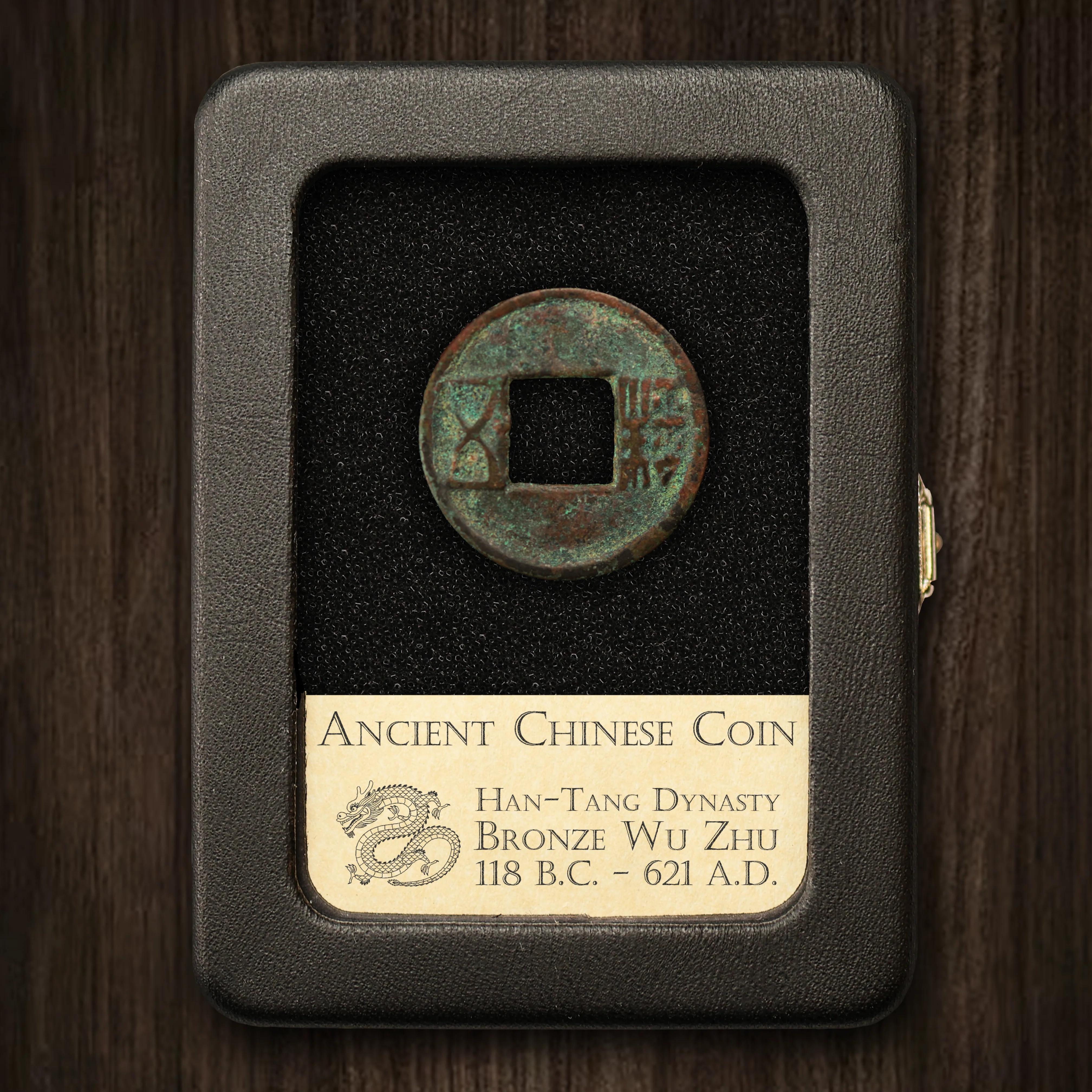
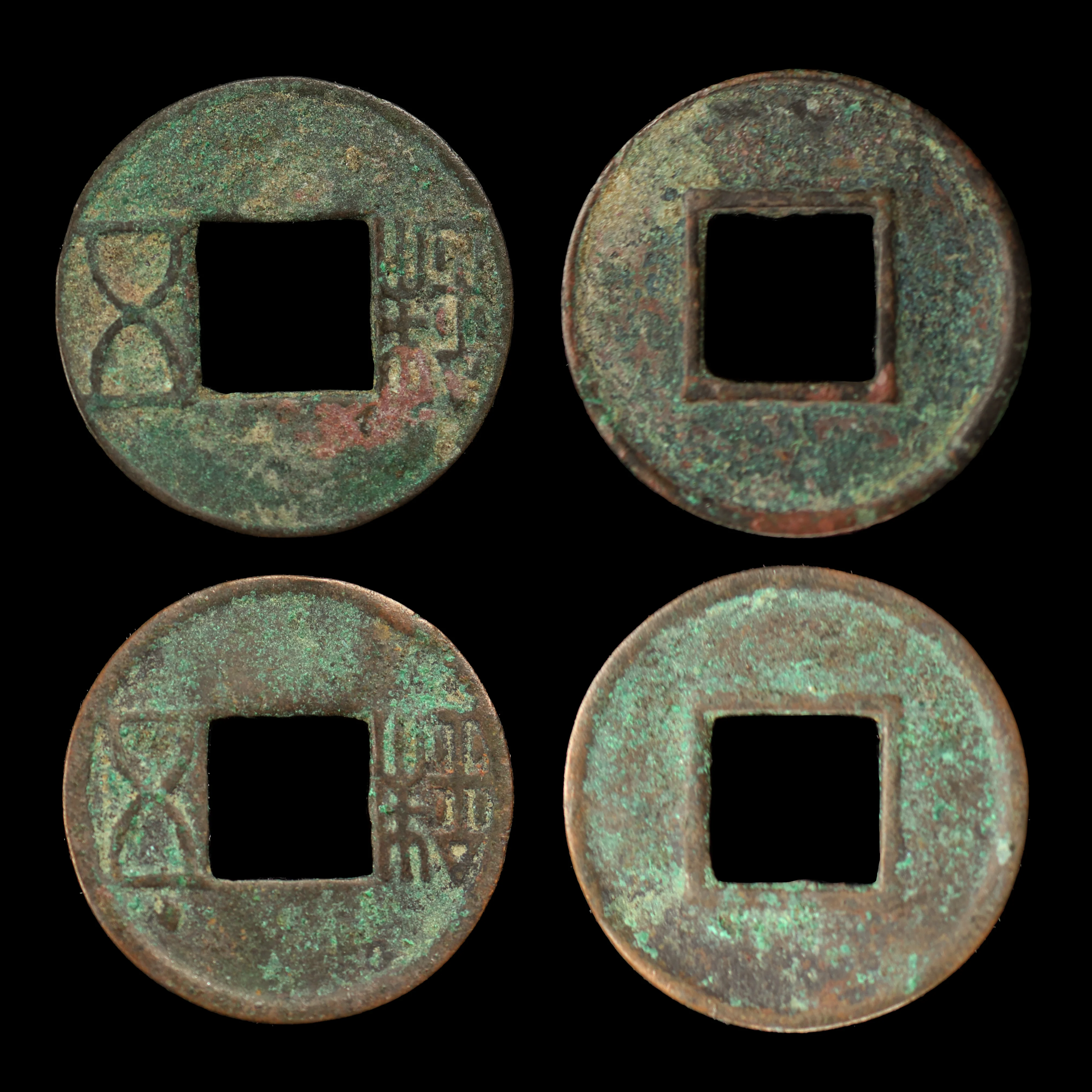
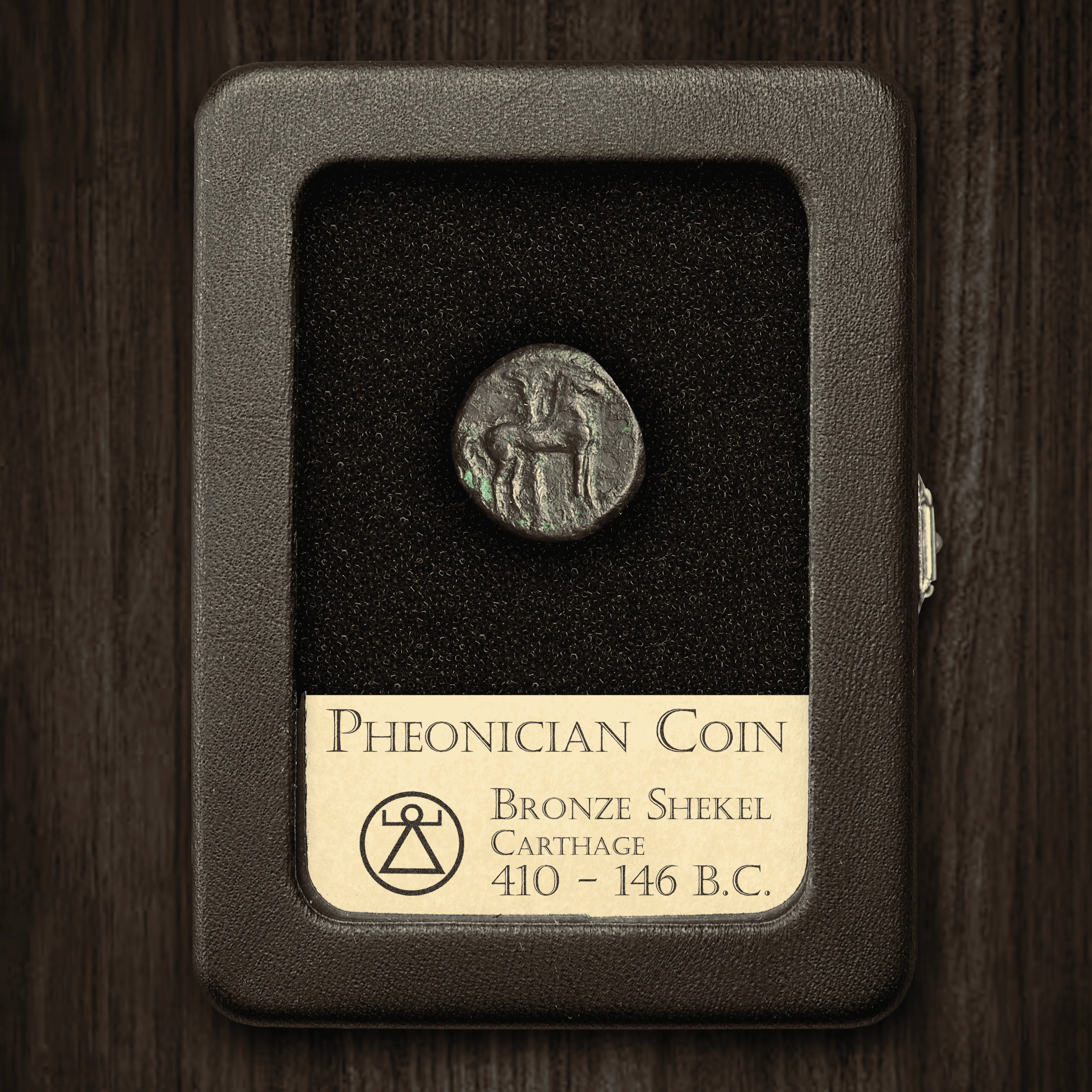
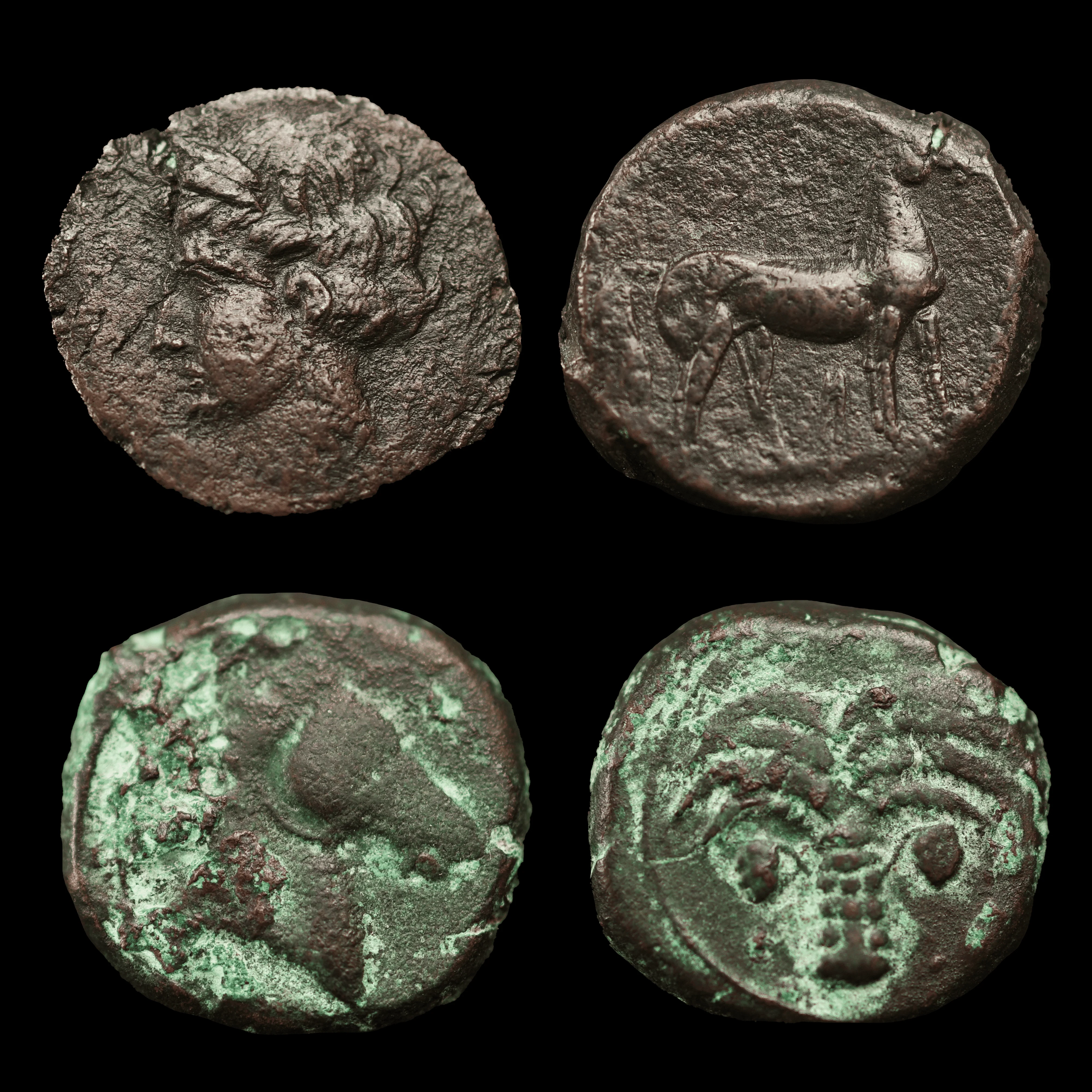
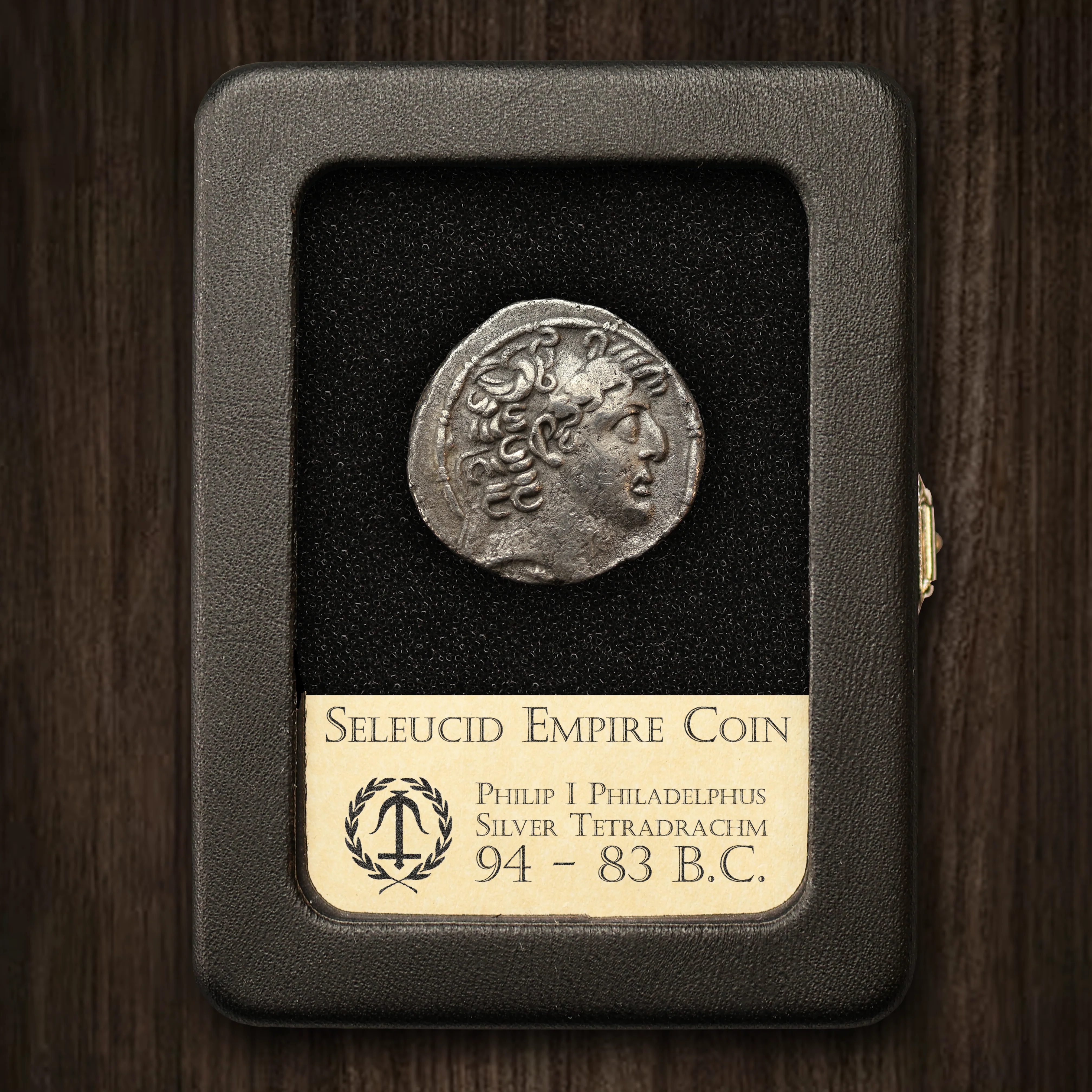
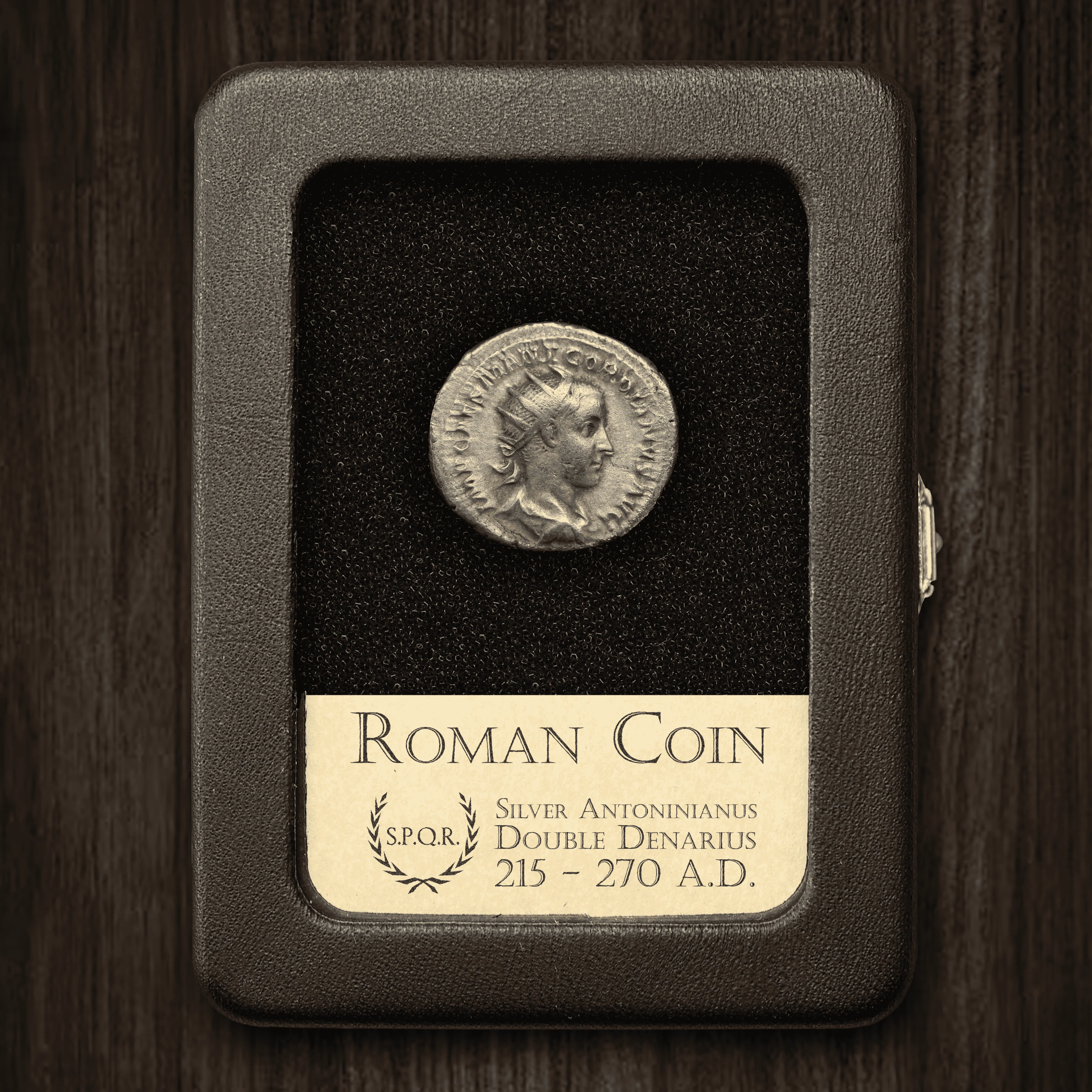
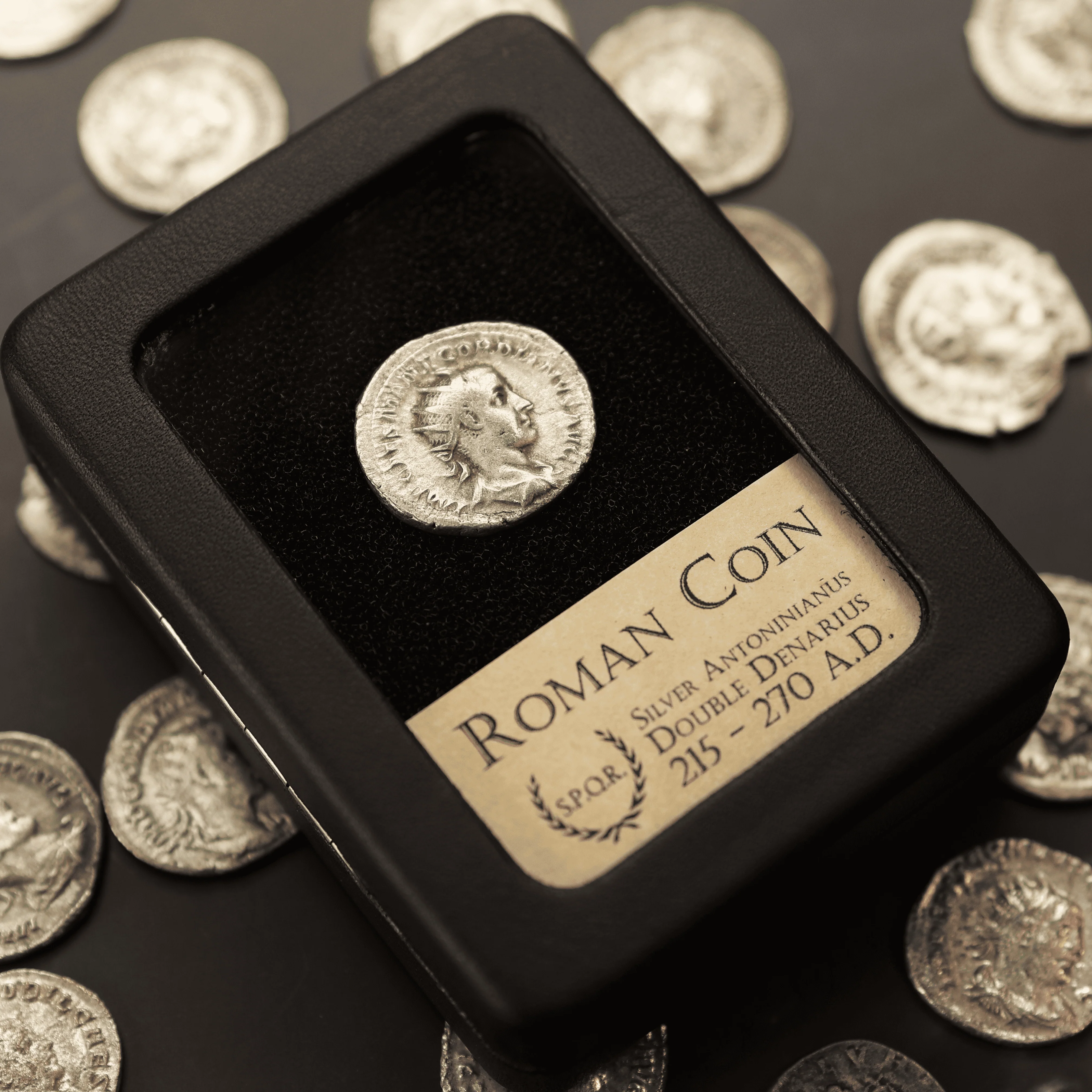
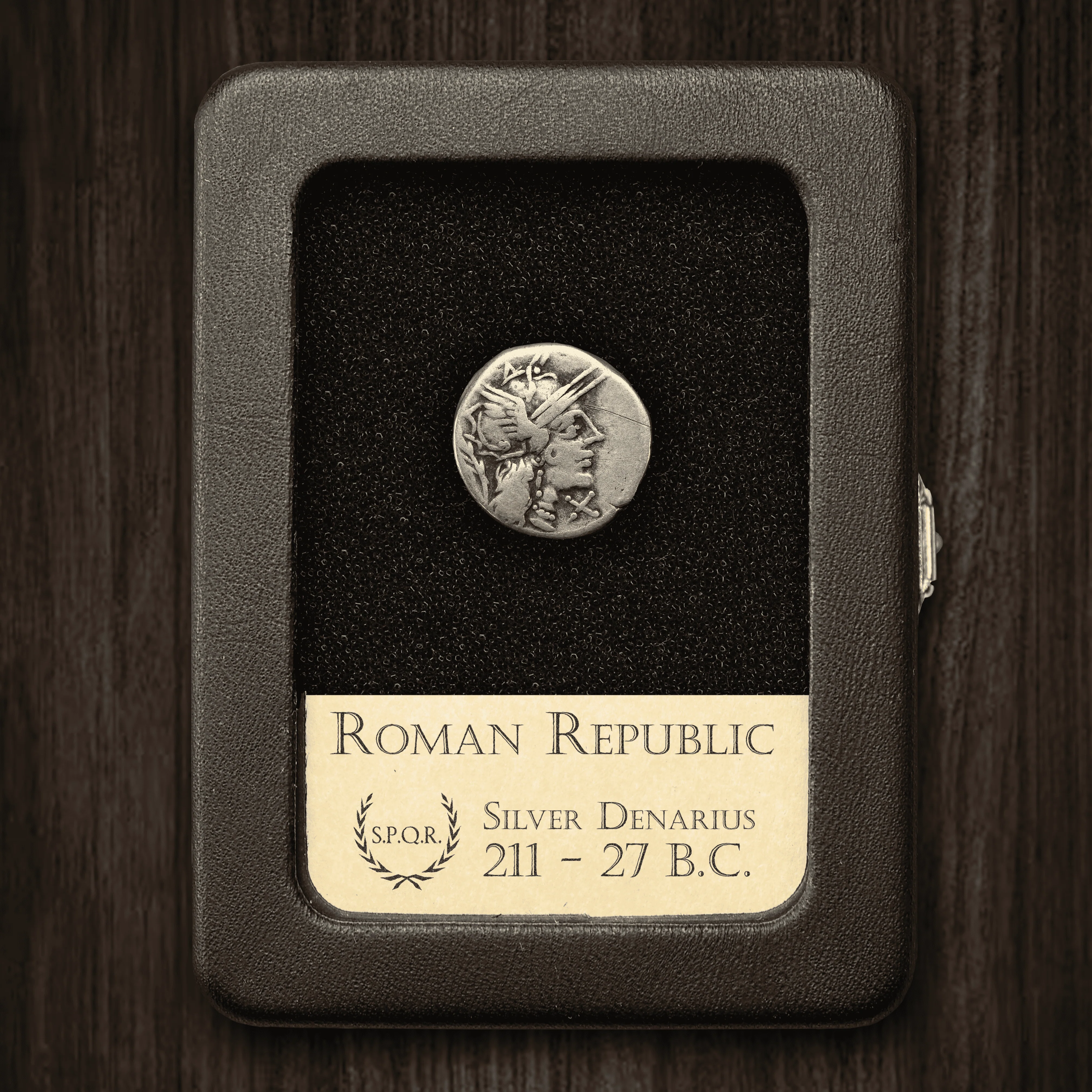
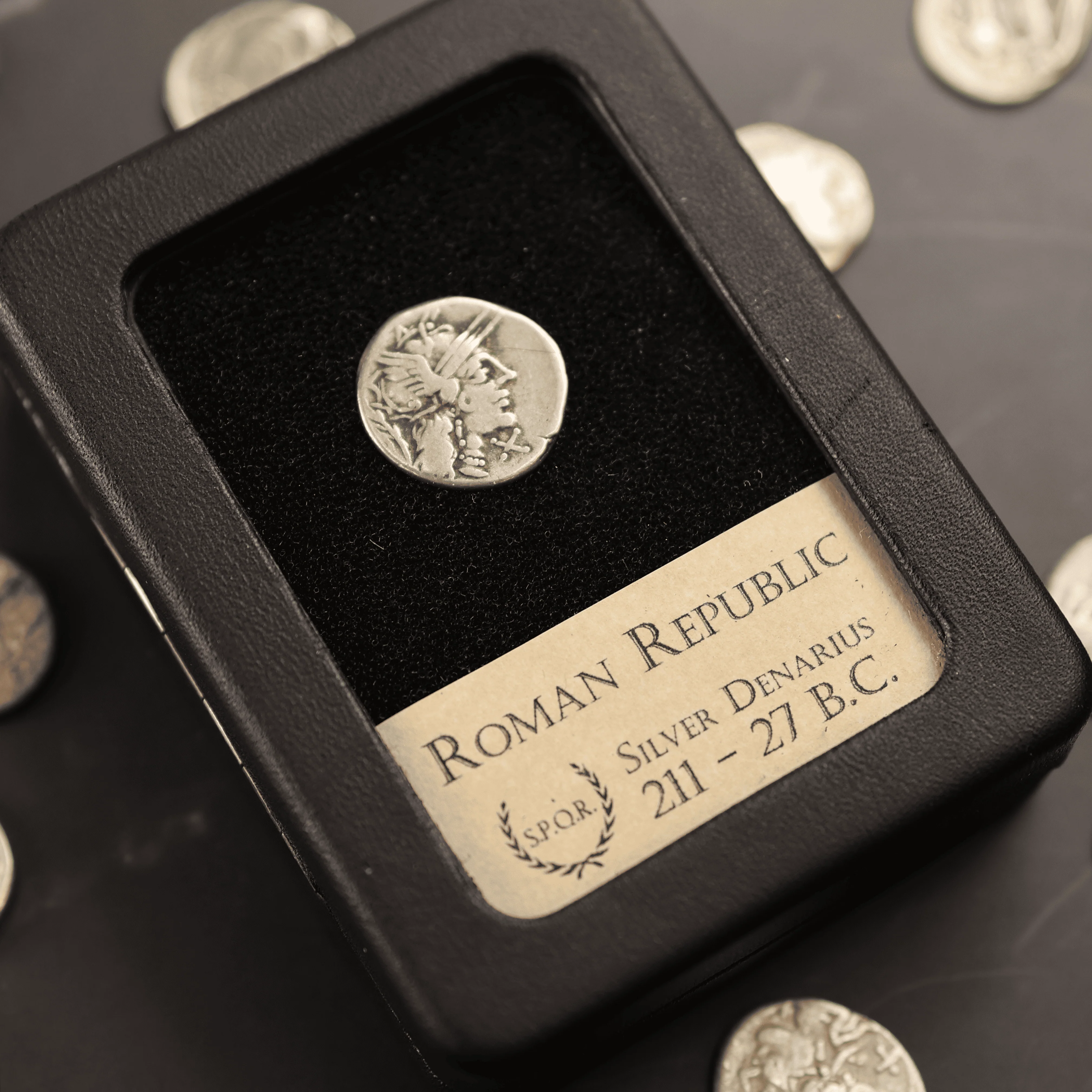
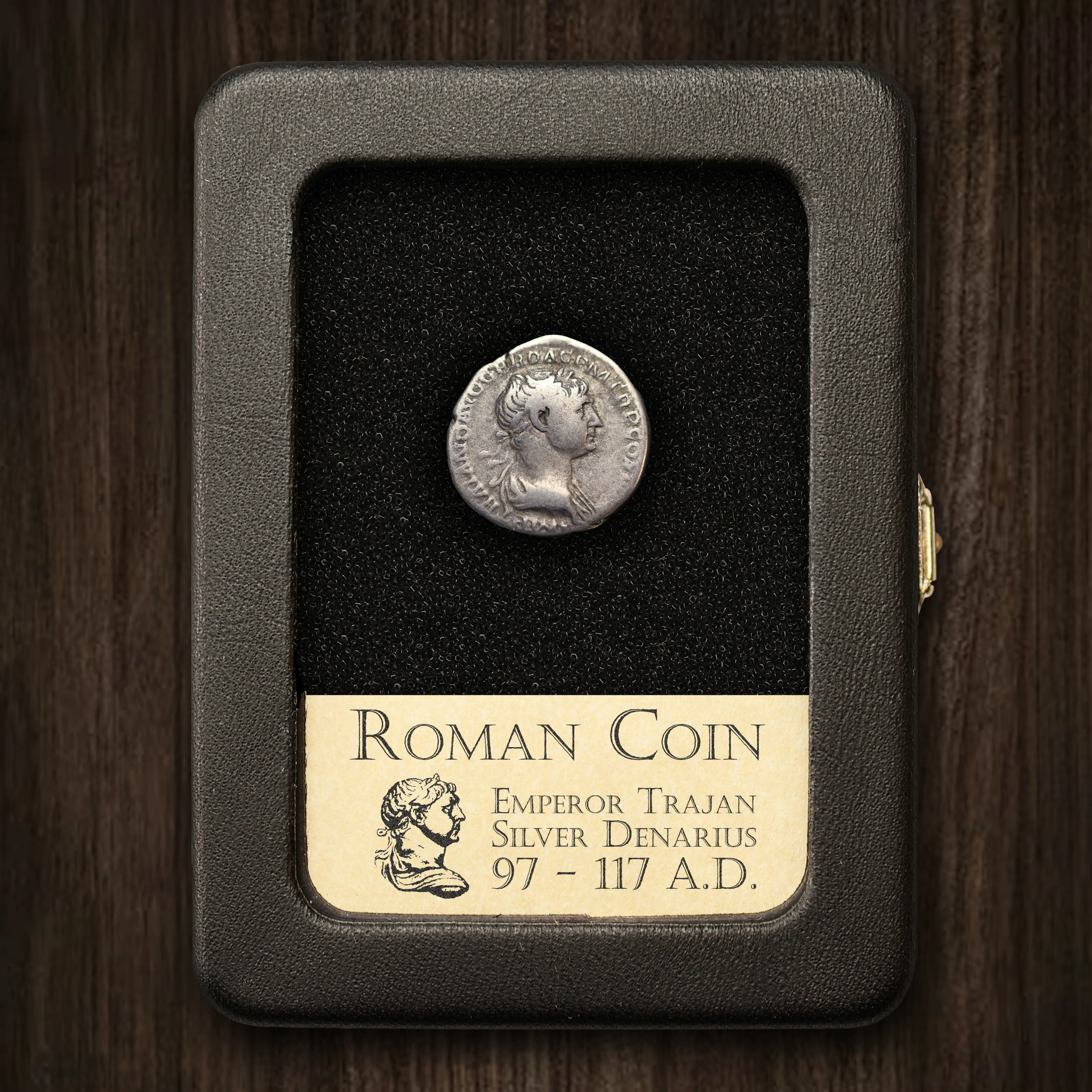
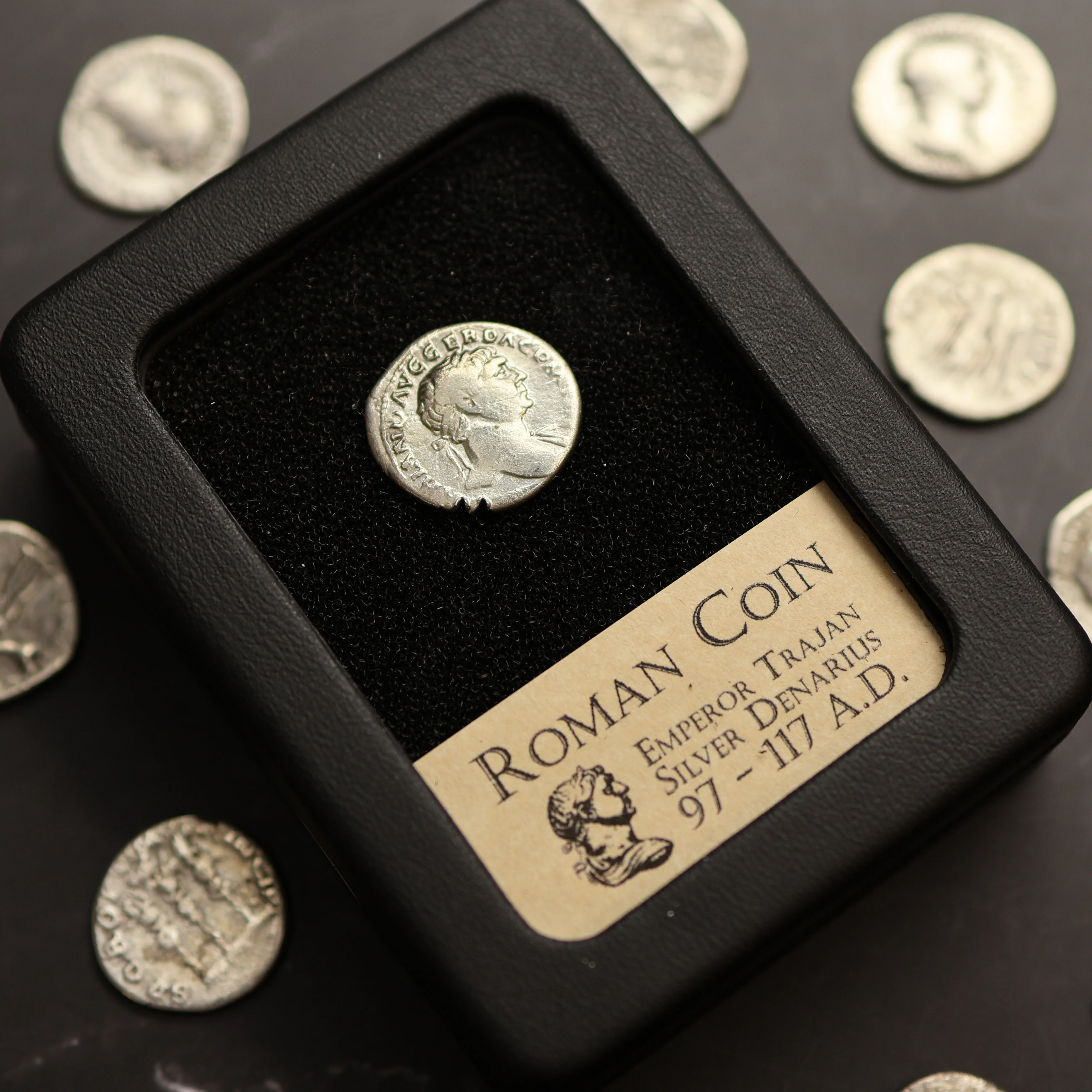
Your coin will look very similar to the one shown in the photos. There will always be some variety, given our items are unique historical pieces. The display case included is openable so that you may easily handle and closely observe the artifact. If for whatever reason you get anything that does not fit this description you are entitled to your money back!
Your order will include:
-
One authentic Greek Coin dated between 196 and 146 BC
-
Elegant protective case for preservation and display of your artifact
-
Certificate of Authenticity
Ancient Artifacts relics are guaranteed authentic and have a 100% money back policy. Read more about our Mission and Promise for authenticity.
Original: $99.99
-65%$99.99
$35.00More Images
Greek Coin | Silver Tetrobol
History of the Artifact
Minted on the Greek island of Euboea, in the city of Histiaia, between 196 - 146 BC, the coins feature the elegant head of the Nymph ‘Histiaia’ from which the city got its name. The same Nymph Histiaia is also featured on the reverse sat on the prow of an ancient Greek Galley.
A Nymph is a minor female nature deity typically associated with a particular location or landform. Different from goddesses, nymphs are generally regarded as divine spirits who animate nature, and are usually depicted as beautiful, young nubile maidens who love to dance and sing.
This coin is called a ‘Tetrobol’ signifying ‘4 Obols’. In Classical Greece, six Obols made up the drachma (a larger silver Greek coin, similar to the Roman Denarius). With one Obol, an ancient Greek could purchase a “Kantharos” of Wine (Cup of Wine), approximately 3 L or 100 US fl oz of Wine. Three obols were standard rate for prostitutes.
How do I know these are original Greek Coins?
Ancient Artifacts guarantees the Authenticity of items sold through a three layer system of protection:
- Ancient Artifacts exclusively sources artifacts from trusted and reputable antique distributors, many of whom have been selling Artifacts for decades.
- Next, the Artifact is inspected by an expert team member, who is professionally trained in counterfeit detection After the artifact passes inspection, the Certificate of Authenticity is signed and the Artifact is packaged.
- Finally, Ancient Artifacts gives an additional layer of protection by promising a full refund with no questions asked, in the extremely unlikely event that a counterfeit slips through our vetting process.
What will my artifact look like?
Your coin will look very similar to the one shown in the photos. There will always be some variety, given our items are unique historical pieces. The display case included is openable so that you may easily handle and closely observe the artifact. If for whatever reason you get anything that does not fit this description you are entitled to your money back!
Your order will include:
-
One authentic Greek Coin dated between 196 and 146 BC
-
Elegant protective case for preservation and display of your artifact
-
Certificate of Authenticity
Ancient Artifacts relics are guaranteed authentic and have a 100% money back policy. Read more about our Mission and Promise for authenticity.
Product Information
Product Information
Shipping & Returns
Shipping & Returns
Description
History of the Artifact
Minted on the Greek island of Euboea, in the city of Histiaia, between 196 - 146 BC, the coins feature the elegant head of the Nymph ‘Histiaia’ from which the city got its name. The same Nymph Histiaia is also featured on the reverse sat on the prow of an ancient Greek Galley.
A Nymph is a minor female nature deity typically associated with a particular location or landform. Different from goddesses, nymphs are generally regarded as divine spirits who animate nature, and are usually depicted as beautiful, young nubile maidens who love to dance and sing.
This coin is called a ‘Tetrobol’ signifying ‘4 Obols’. In Classical Greece, six Obols made up the drachma (a larger silver Greek coin, similar to the Roman Denarius). With one Obol, an ancient Greek could purchase a “Kantharos” of Wine (Cup of Wine), approximately 3 L or 100 US fl oz of Wine. Three obols were standard rate for prostitutes.
How do I know these are original Greek Coins?
Ancient Artifacts guarantees the Authenticity of items sold through a three layer system of protection:
- Ancient Artifacts exclusively sources artifacts from trusted and reputable antique distributors, many of whom have been selling Artifacts for decades.
- Next, the Artifact is inspected by an expert team member, who is professionally trained in counterfeit detection After the artifact passes inspection, the Certificate of Authenticity is signed and the Artifact is packaged.
- Finally, Ancient Artifacts gives an additional layer of protection by promising a full refund with no questions asked, in the extremely unlikely event that a counterfeit slips through our vetting process.
What will my artifact look like?
Your coin will look very similar to the one shown in the photos. There will always be some variety, given our items are unique historical pieces. The display case included is openable so that you may easily handle and closely observe the artifact. If for whatever reason you get anything that does not fit this description you are entitled to your money back!
Your order will include:
-
One authentic Greek Coin dated between 196 and 146 BC
-
Elegant protective case for preservation and display of your artifact
-
Certificate of Authenticity
Ancient Artifacts relics are guaranteed authentic and have a 100% money back policy. Read more about our Mission and Promise for authenticity.